Your Biological Clock Determines When You Perform Best
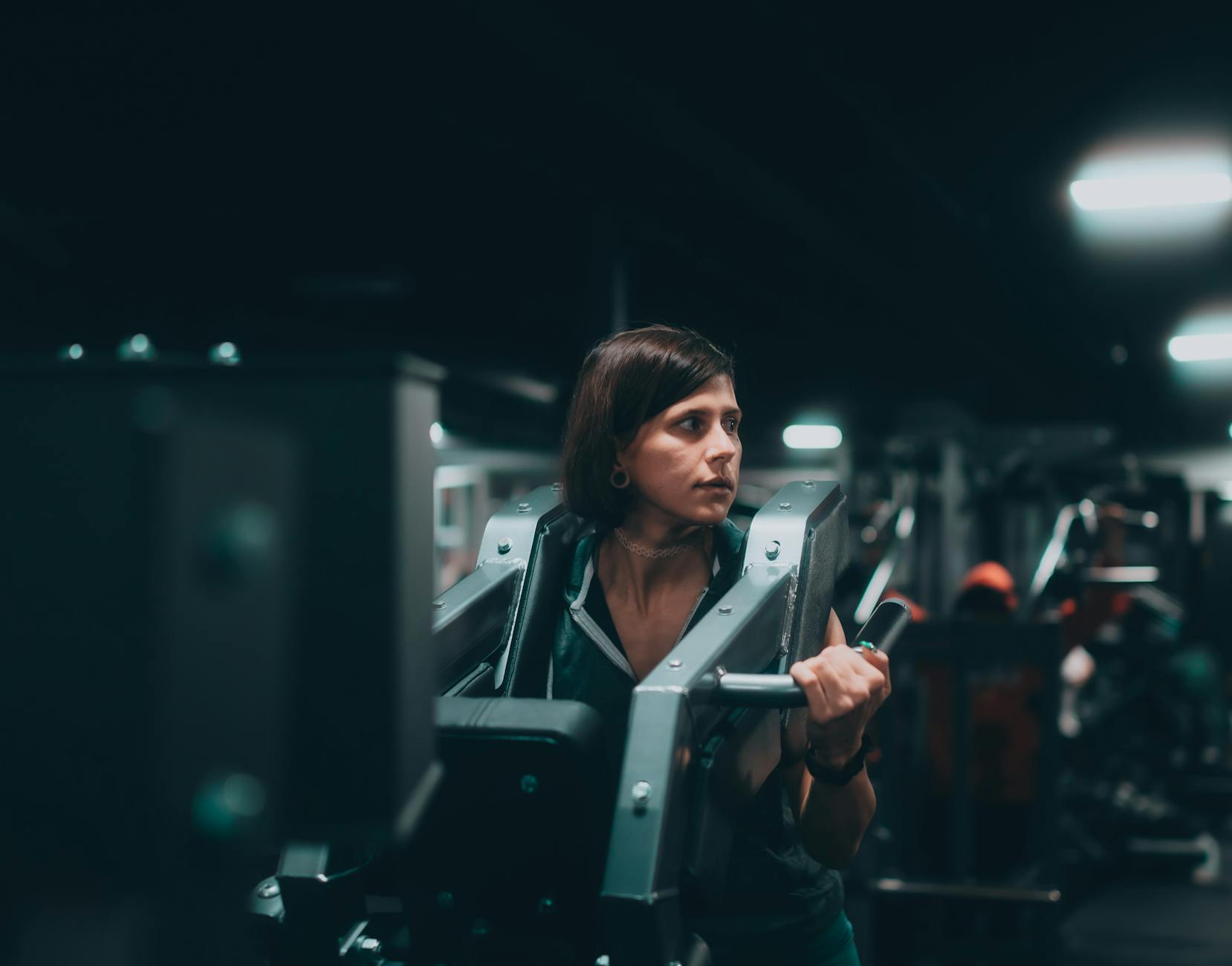
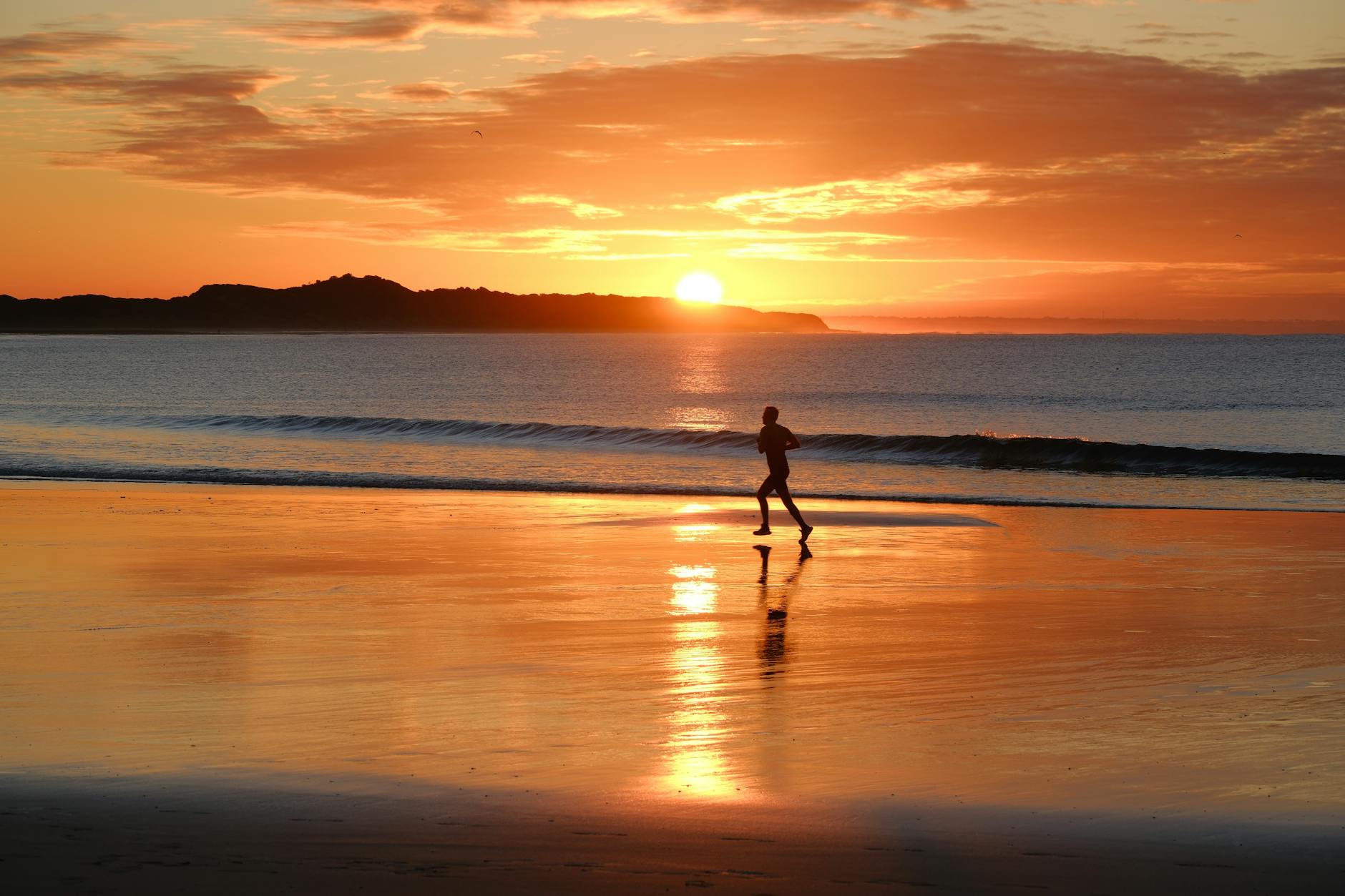
Have you ever noticed that some athletes seem born to train at dawn, while others only reach peak performance in the late afternoon? For decades, this was attributed to personal preference or discipline. Today, science has a far more precise answer: this difference is encoded in your DNA.
Chronobiology — the science that studies biological rhythms and their influence on physiological processes — has revealed that the human body operates in cycles of approximately 24 hours, known as circadian rhythms. These cycles regulate everything from body temperature and hormonal secretion to muscle strength, energy metabolism, and cardiovascular capacity.
What determines whether you are a "morning person" or an "evening person"? In large part, it comes down to what are known as clock genes — a set of genes that synchronizes your physiological functions with the environmental light-dark cycle. When you train at the wrong time for your genetic chronotype, you may be leaving significant gains on the table.
Key finding: Studies published in Current Biology demonstrated that athletes who train at a time compatible with their genetic chronotype perform up to 26% better in endurance and strength events compared to when they train at the opposite time — regardless of fitness level or experience.
The Clock Genes: CLOCK, PER3, ARNTL, and CRY1
How the Molecular Clock Works
At the core of every cell lies a molecular timing mechanism that operates through genetic feedback loops. Proteins encoded by clock genes activate and repress each other's expression in precise cycles of approximately 24 hours. This central system is coordinated by the suprachiasmatic nucleus (SCN) in the hypothalamus, which receives light information from the retina and synchronizes peripheral clocks in muscles, liver, adipose tissue, and other organs.
When this system operates in harmony, the body performs each physiological function at the optimal moment: body temperature peaks between 4 pm and 6 pm (coinciding with the window of highest physical performance in many people), testosterone is secreted in greater quantities during the early morning hours, and the capacity for protein synthesis varies predictably throughout the day.
The problem is that genetic variants in these genes shift this rhythm, causing the entire system to run several hours ahead of or behind the population average.
CLOCK Gene: The Rhythm Conductor
The CLOCK gene (Circadian Locomotor Output Cycles Kaput) encodes a protein that forms a heterodimer with the BMAL1 protein, activating the transcription of Period (PER) and Cryptochrome (CRY) genes. This complex is the central engine of the molecular clock.
The most studied polymorphism in CLOCK is rs1801260 (3111T/C), located in the 3' untranslated region of the gene. Carriers of the C allele exhibit a circadian phase delay — manifesting as an evening chronotype (preference for night hours), greater difficulty waking early, and a later peak in physical performance. A study published in the Journal of Sleep Research (Katzenberg et al., 1998) was the first to associate this SNP with human chronotype.
In practical terms for sport: carriers of the C allele of rs1801260 tend to display maximum muscle strength and peak aerobic capacity between 5 pm and 9 pm, while carriers of the T allele typically reach their physiological peak between 7 am and 11 am.
PER3 Gene: The Sleep Duration Regulator
The PER3 gene (Period Circadian Regulator 3) is one of the fundamental components of the negative feedback loop in the clock. The most relevant variant for athletic performance is a variable number tandem repeat (VNTR) polymorphism in exon 18, which produces two alleles: the short allele (PER3⁴, with 4 repeats) and the long allele (PER3⁵, with 5 repeats).
Research led by Derk-Jan Dijk at the University of Surrey demonstrated that carriers of the PER3⁵/⁵ genotype (homozygous for the long allele) are strongly morning-oriented, require more hours of sleep for recovery, and experience more severe cognitive and physical degradation from sleep deprivation. Carriers of the PER3⁴/⁴ genotype are typically evening-oriented, tolerate sleep deprivation better, and exhibit a later performance peak throughout the day.
For athletes, this has direct implications: a PER3⁵/⁵ practitioner who trains at 9 pm not only performs below their potential but also compromises their recovery — since their biological clock is already signaling the beginning of the sleep consolidation process at that hour.
ARNTL (BMAL1) Gene: The Master Regulator
The ARNTL gene (Aryl Hydrocarbon Receptor Nuclear Translocator-Like), also known as BMAL1, encodes the protein partner of CLOCK in transcriptional activation. Variants in ARNTL have been associated not only with chronotype, but also with metabolic syndrome, type 2 diabetes, and athletic performance.
The SNP rs2278749 in ARNTL has been identified in population studies as associated with a morning chronotype and greater efficiency in lipid metabolism during morning exercise. Carriers of the T allele of this SNP exhibit greater fat oxidation during workouts performed before 10 am — a significant advantage for endurance athletes.
Another relevant polymorphism, rs7950226, was associated in a study published in the European Journal of Human Genetics with differences in circadian rhythm amplitude, affecting daily variation in core body temperature — a robust predictor of physical performance.
CRY1 Gene: The Clock's Brake
The CRY1 (Cryptochrome 1) proteins act as repressors of the CLOCK-BMAL1 complex, closing the negative feedback loop and determining the duration of the circadian cycle. Variants in the CRY1 gene can lengthen the intrinsic period of the clock, resulting in what is known as Delayed Sleep Phase Disorder (DSPD) — an extreme form of evening chronotype.
The polymorphism rs8192440 in CRY1 was identified in a study published in Cell (Patke et al., 2017) as associated with a circadian period of up to 24.5 hours in carriers — compared to the population average of 24.2 hours. This seemingly small deviation accumulates over days and weeks, resulting in a progressive shift in sleep and wake timing.
For athletic training, carriers of this variant frequently report chronic difficulty adapting to early morning training schedules — and the physiological data confirm it: their glycogen mobilization, sympathetic nervous system activation, and anabolic hormone synthesis have not yet reached their peak in the early hours of the day.
"Chronotype is not a matter of laziness or discipline — it is a biological trait as real as height or blood type. Forcing a genetically evening-type person to train at 6 am is analogous to asking them to train with one leg immobilized." — Current Biology, Facer-Childs et al., 2018
Practical Implications: Synchronizing Your Training with Your Chronotype
Strength and Hypertrophy
Strength training critically depends on physiological variables with strong circadian variation: core muscle temperature, serum testosterone concentration, neuromuscular coordination, and availability of energy substrates. In individuals with a morning chronotype (carriers of PER3⁵/⁵ and the T allele of CLOCK rs1801260), these parameters reach their optimal values between 7 am and 11 am.
For evening chronotypes (PER3⁴/⁴, C allele of CLOCK), testosterone peaks later, muscle temperature reaches its maximum between 5 pm and 8 pm, and post-exercise muscle protein synthesis is most efficient when training is performed in the afternoon or early evening. A 2019 study published in the Journal of Strength and Conditioning Research demonstrated 23% greater strength gains in evening-type individuals who trained consistently in the afternoon versus those forced to train in the morning.
Aerobic Endurance
Aerobic performance also follows well-established circadian patterns. Cardiovascular efficiency, respiratory capacity, and lactate threshold vary throughout the day in synergy with chronotype. For endurance athletes, the timing of training can significantly influence adaptation — especially in high-intensity sessions aimed at elevating VO2 max.
Carriers of ARNTL variants associated with a morning chronotype show greater fatty acid oxidation and lower glycogen utilization during morning workouts — a competitive advantage for ultramarathoners and triathletes who depend on metabolic efficiency in long events. Evening chronotypes, on the other hand, show greater recruitment of fast-twitch fibers (type II) in the afternoon, which favors high-intensity interval training (HIIT) during that period.
Recovery and the Anabolic Window
Beyond the timing of training itself, genetic chronotype influences the efficiency of post-exercise recovery. Carriers of the long PER3⁵ allele show greater amplitude in growth hormone (GH) secretion during slow-wave sleep, which can amplify the anabolic effects of workouts performed at times aligned with their biological clock. Training outside the optimal circadian window not only reduces immediate performance but can compromise the quality of subsequent sleep and, therefore, muscle recovery.
| Chronotype | Associated Genes / SNPs | Peak Performance Window | Best Training Type | Recommendation |
|---|---|---|---|---|
| Morning | PER3⁵/⁵ · CLOCK rs1801260 (T/T) · ARNTL rs2278749 (T) | 7 am – 11 am | Strength, HIIT, moderate-intensity endurance | Prioritize morning sessions; avoid intense training after 6 pm to protect sleep quality |
| Evening | PER3⁴/⁴ · CLOCK rs1801260 (C/C) · CRY1 rs8192440 | 4 pm – 9 pm | Maximal strength, HIIT, sprints, speed events | Concentrate high-intensity sessions in the afternoon/evening; morning sessions should be low-intensity (mobility, light aerobics) |
| Intermediate | PER3⁴/⁵ · mixed SNP profile | 10 am – 3 pm | Flexible for most modalities | Monitor subjective effort perception; wider window of optimal performance — experiment with different times to identify individual peak |
What helixXY Can Reveal
The helixXY genetic report includes a comprehensive analysis of your chronobiological profile, covering the key polymorphisms in the CLOCK, PER3, ARNTL, and CRY1 genes. Based on this analysis, the platform offers personalized recommendations that go far beyond a simple "you're a morning person or an evening person."
The helixXY Chronobiology and Performance report informs you of:
- Your genetic chronotype and the intensity of your profile (mildly, moderately, or extremely morning-oriented; mildly, moderately, or extremely evening-oriented)
- Peak time windows for strength, endurance, and active recovery workouts, calculated from the specific combination of your SNPs
- How your circadian profile interacts with other assessed genes — such as energy metabolism genes (PPARGC1A, ADRB2) and muscle recovery genes (IL6, IGF1) — to generate even more precise recommendations
- Pre- and post-workout nutritional guidance synchronized with your biological clock (chrono-nutrition)
- Strategies to mitigate the negative effects when training at a suboptimal time is unavoidable — such as in competitions with fixed schedules
Genetic chronobiology represents one of the most promising frontiers of personalized sports medicine. While most athletes still follow training schedules based on logistical convenience, those who use genetic information to synchronize their training with their biological clock are building a cumulative advantage that compounds over months and years of consistent training.
Important: helixXY reports are informational and educational. Consult a healthcare professional before making significant changes to your training routine or sleep habits based on genetic information.
References
- Facer-Childs ER, Brandstaetter R. The impact of circadian phenotype and time since awakening on diurnal performance in athletes. Current Biology. 2015;25(4):518–522.
- Patke A, Murphy PJ, Onat OE, et al. Mutation of the human circadian clock gene CRY1 in familial delayed sleep phase disorder. Cell. 2017;169(2):203–215.
- Dijk DJ, Archer SN. PERIOD3, circadian phenotypes, and sleep homeostasis. Sleep Medicine Reviews. 2010;14(3):151–160.
- Facer-Childs ER, Boiling S, Balanos GM. The effects of time of day and chronotype on cognitive and physical performance in healthy volunteers. Sports Medicine – Open. 2018;4(1):47.
- Katzenberg D, Young T, Finn L, et al. A CLOCK polymorphism associated with human diurnal preference. Journal of Sleep Research. 1998;7(4):235–239.