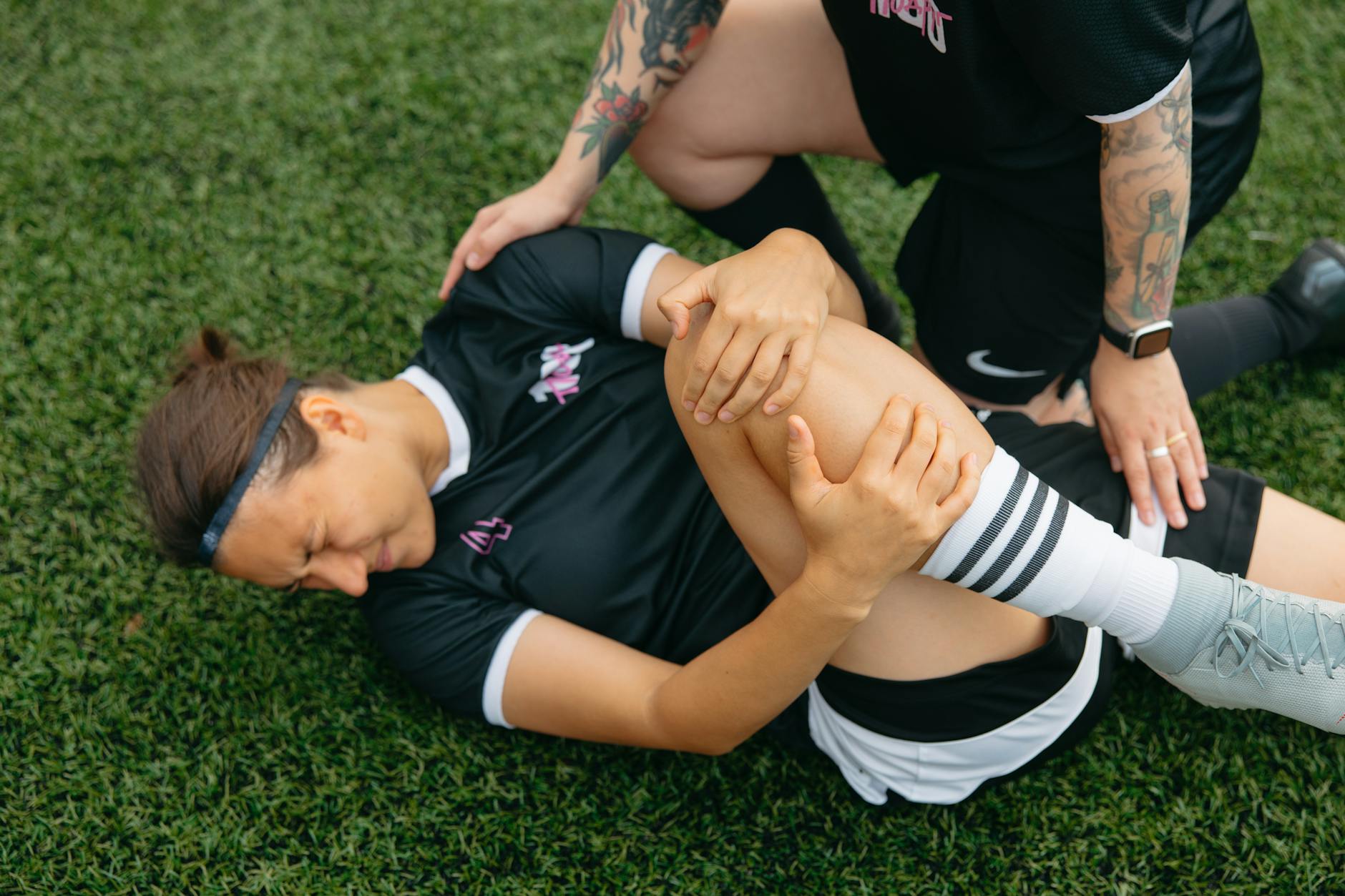
Why Do Some Athletes Get Injured More Often?
Consider two athletes who train with the same coach, follow the same warm-up protocol, lift comparable loads, and have similar fitness levels. One progresses year after year without a significant injury. The other suffers repeated ligament sprains, chronic tendinitis, stress fractures — a pattern that seems almost inexplicable given how carefully they train.
The answer, increasingly supported by science, lies in DNA. Specific genetic variants directly influence the composition, elasticity, and mechanical resistance of tendons, ligaments, and connective tissues — making some individuals genetically more susceptible to certain types of musculoskeletal injuries. This is not a matter of pain tolerance or dedication; it is a matter of molecular biology.
Understanding these predispositions does not mean accepting injury as inevitable. On the contrary: genetic knowledge enables athletes and coaches to personalize prevention strategies, adapt training loads, and significantly reduce injury risk. This is precision sports medicine in practice — using individual biology to make smarter training decisions.
The Molecular Foundation: Collagen and Connective Tissue
To understand how genes affect injury susceptibility, we first need to understand the biology of tendons and ligaments. These structures are composed predominantly of collagen — the most abundant protein in the human body, responsible for providing strength and elasticity to connective tissues.
There are many types of collagen, but three are particularly relevant to musculoskeletal health:
- Type I collagen: the most abundant form, constituting the primary structural framework of tendons, ligaments, bones, and skin. Provides tensile strength — the ability to resist pulling forces without breaking.
- Type III collagen: present in more elastic tissues such as blood vessel walls and skin. Contributes to the flexibility of connective tissues and is particularly prevalent in tissues undergoing repair.
- Type V collagen: regulates the diameter of type I and type III collagen fibrils, influencing the structural organization of the tissue at the nanoscale level.
The proportion and quality of these different collagen types determine the mechanical properties of your tendons and ligaments. Too much type III relative to type I, and tissues may be flexible but prone to rupture under high loads. Too little type V regulation, and fibril diameters become irregular, creating structural weak points. This is precisely where genetics enters the picture.
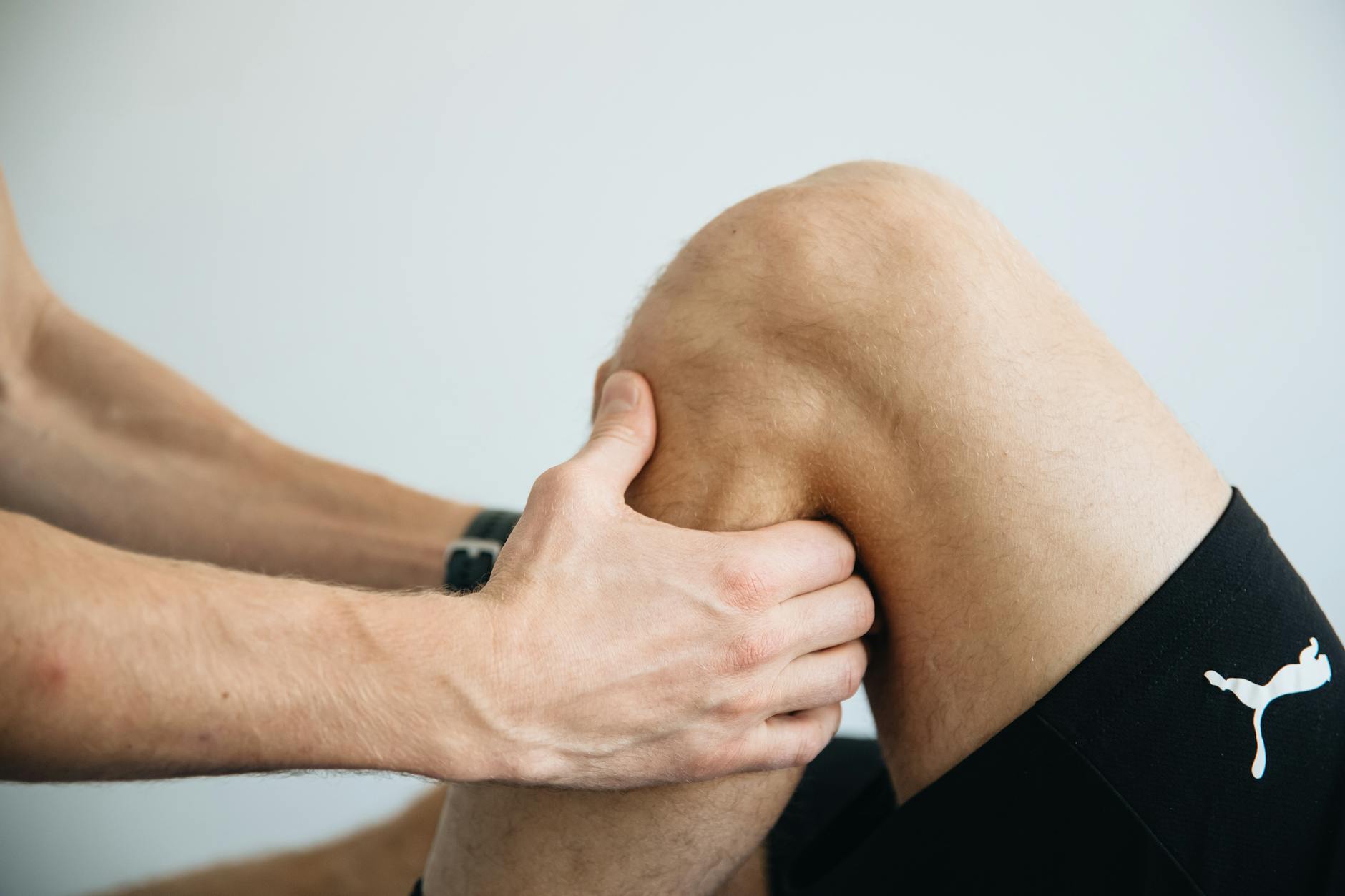
The Key Genes: COL5A1, COL1A1, COL3A1, GDF5, and MMP3
COL5A1 — The Structural Regulator
The COL5A1 gene encodes the alpha-1 chain of type V collagen. As noted above, type V collagen acts as a regulator of collagen fibril diameter — controlling how thick or thin the fibers that compose your tendons and ligaments are.
The most studied variant is the polymorphism rs12722, located in the 3'-UTR region of the gene. Research published in the British Journal of Sports Medicine has demonstrated that:
- Certain variants are associated with thinner collagen fibrils and reduced mechanical resistance
- Carriers of these variants show a higher risk of Achilles tendon injuries and anterior cruciate ligament (ACL) ruptures
- The variant also influences joint range of motion, with implications for overall flexibility and tissue elasticity
COL1A1 — The Tendon Foundation
The COL1A1 gene encodes the alpha-1 chain of type I collagen — the single most important structural component of tendons and ligaments. The most relevant polymorphism is rs1800012 (also known as the Sp1 binding site variant).
Studies show that variants in this gene can:
- Alter the ratio between type I and type III collagen in connective tissues
- Influence bone mineral density, affecting the risk of stress fractures
- Modify tendon stiffness, impacting the capacity for shock absorption during high-intensity activities such as sprinting, jumping, and rapid changes of direction
COL3A1 — Tissue Elasticity
The COL3A1 gene encodes type III collagen, which contributes elasticity to connective tissues. Variants in this gene affect the ratio of type III to type I collagen, altering the mechanical properties of ligaments.
A high proportion of type III collagen produces tissues that are more flexible but less resistant to rupture under high loads. This helps explain why individuals with generalized joint hypermobility — which can have a genetic basis — are more susceptible to sprains, dislocations, and ligament tears.
GDF5 — The Growth Factor
The GDF5 gene (Growth Differentiation Factor 5) encodes a protein in the BMP (Bone Morphogenetic Protein) family that plays a crucial role in the development and maintenance of joints, cartilage, and tendons.
The polymorphism rs143383 in this gene has been associated with:
- Higher risk of ACL rupture in athletes participating in pivoting sports
- Predisposition to osteoarthritis, particularly in the knee
- Alterations in joint development that can compromise biomechanical stability over time
MMP3 — The Remodeling Enzyme
The MMP3 gene encodes matrix metalloproteinase 3, an enzyme responsible for the degradation and remodeling of connective tissue. The polymorphism rs679620 influences the amount of MMP3 produced by the body.
Variants resulting in higher MMP3 activity are associated with:
- Accelerated degradation of tendons and ligaments, particularly with repetitive mechanical loading
- Achilles tendinopathy — chronic degeneration of the Achilles tendon
- Slower recovery after musculoskeletal injuries, because the remodeling balance tips toward breakdown rather than repair
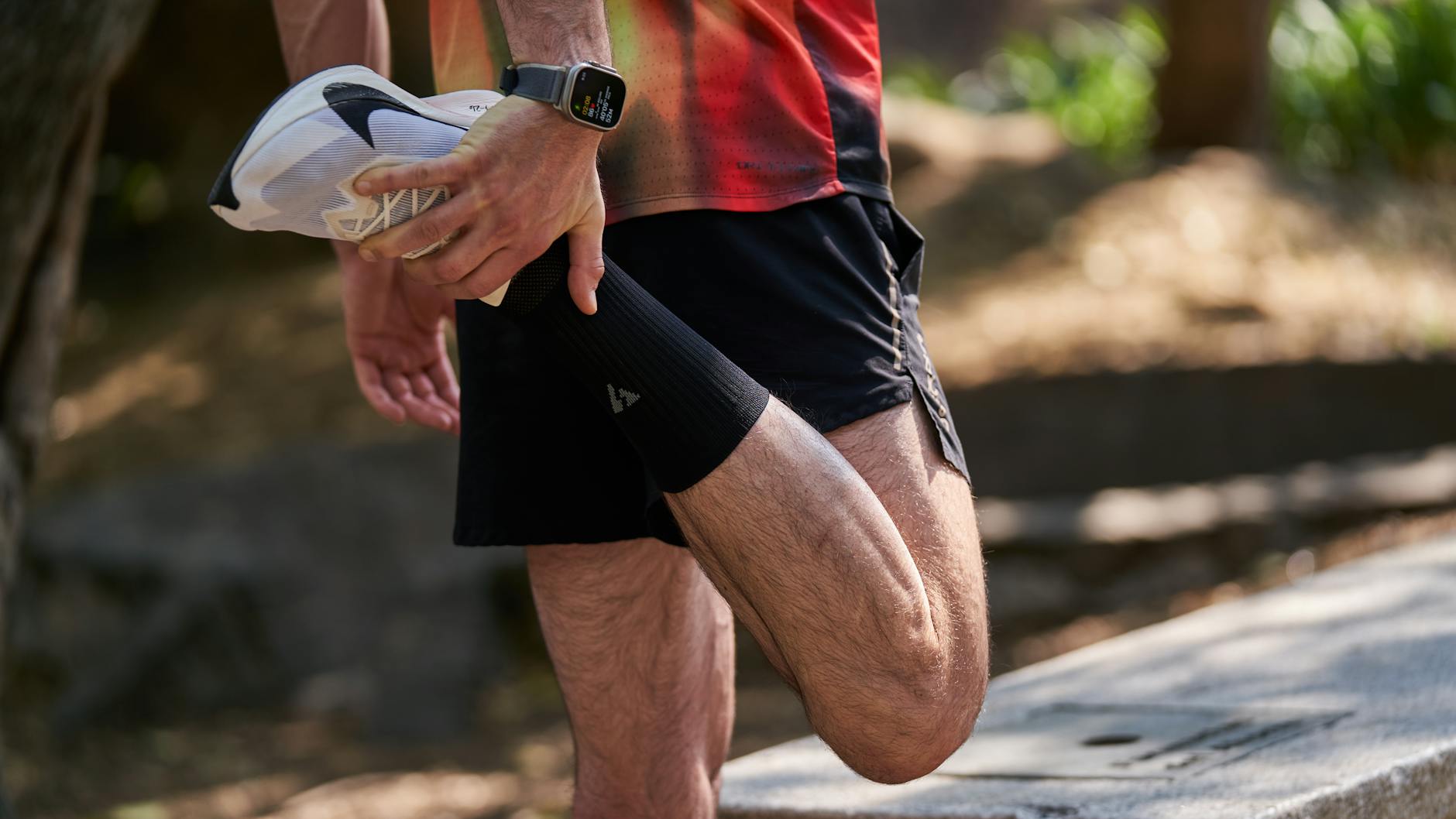
Injury Types Influenced by Genetics
Anterior Cruciate Ligament (ACL) Rupture
ACL rupture is one of the most feared injuries in sport, particularly in activities involving rapid direction changes — football, basketball, volleyball, tennis, and skiing. Genetic studies have revealed that variants in COL5A1, COL1A1, and GDF5 can increase the risk of this injury by 2 to 4 times, depending on the combination of variants present.
Genetic factors can influence knee geometry, ligament laxity, and the tissue composition of the ACL itself — creating a scenario of greater biomechanical vulnerability that training alone cannot fully overcome without specific preventive work.
Achilles Tendinopathy
The Achilles tendon, the strongest in the human body, is paradoxically one of the most susceptible to chronic injury. Variants in COL5A1, MMP3, and COL1A1 have been consistently associated with a higher risk of tendinopathy and rupture of the Achilles tendon.
Research suggests that genetically predisposed individuals have structural alterations in collagen architecture that compromise the tendon's ability to handle repetitive loading — the central mechanism behind most chronic overuse injuries.
Rotator Cuff Injuries
Rotator cuff injuries are common in overhead sports such as swimming, volleyball, tennis, and baseball. Genetic variants affecting collagen quality and metalloproteinase activity can predispose athletes to degeneration and tearing of the shoulder tendons, particularly with repeated overhead loading over years of training.
Stress Fractures
Stress fractures are bone injuries caused by repetitive loading that exceeds the bone's capacity for remodeling. Variants in COL1A1, which affect bone mineral density, can make certain athletes more vulnerable to this type of injury — particularly in impact sports like long-distance running, gymnastics, and military training.
How Collagen Genetics Shape Mechanical Properties
The relationship between genetics and tissue mechanical properties is mediated by the ratio between different collagen types and the organization of the fibrils.
Tendons and ligaments with a higher proportion of type I collagen tend to be stiffer and more resistant — ideal for sports requiring high force transmission, such as weightlifting and sprinting. Tissues with a higher proportion of type III collagen are more elastic and flexible, which can be advantageous for gymnasts and dancers but potentially risky in contact sports with collision forces.
Type V collagen, regulated by the COL5A1 gene, determines fibril diameter. Thicker fibrils offer greater resistance to tensile forces, while thinner fibrils may be more susceptible to cumulative microdamage — the mechanism underlying many overuse injuries.
This dynamic explains why two athletes can respond completely differently to the same training program: while one adapts and strengthens their connective tissues, the other accumulates microtrauma that eventually manifests as a clinical injury.
Practical Implications: Personalized Injury Prevention
Knowledge of the genetic profile related to sports injuries opens a wide range of possibilities for personalized prevention. While genetics does not determine destiny, it provides valuable guidance for making smarter decisions about training, recovery, and long-term athlete development.
Training Adaptation
- Athletes with risk variants for tendinopathy: prioritize gradual load progression, avoid sudden increases in training volume and intensity, and incorporate specific eccentric exercises to strengthen tendons (e.g., eccentric heel drops for Achilles tendinopathy prevention).
- Athletes with ligamentous injury predisposition: invest in proprioception training, neuromuscular control programs (such as FIFA 11+), and targeted strengthening of stabilizing muscles around vulnerable joints.
- Athletes with stress fracture risk: carefully monitor training load accumulation, ensure adequate calcium and vitamin D intake, and consider lower-impact training surfaces during high-volume phases.
Warm-Up and Recovery Strategies
- Extended warm-up: individuals with variants associated with reduced collagen elasticity may benefit from longer, more progressive warm-ups emphasizing joint mobility before high-intensity loading.
- Active recovery: athletes genetically predisposed to accelerated connective tissue degradation (MMP3 variants) may need longer recovery periods between intense sessions to allow adequate tissue repair.
- Targeted supplementation: emerging evidence suggests that supplementation with hydrolyzed collagen and vitamin C before exercise may support collagen synthesis — particularly relevant for individuals with variants that compromise this production.
Sport and Event Selection
While genetic profile should not be the sole determinant of sport choice, it can provide useful context. Athletes with genetically higher joint flexibility may excel in sports valuing range of motion, while those with stiffer tendons may have a biomechanical advantage in power-based activities. Understanding these tendencies enables more targeted development rather than fighting against biological limitations without awareness.
What helixXY Can Reveal
The helixXY Fitness report analyzes genetic variants associated with the composition and resistance of your connective tissues, including genes such as COL5A1, COL1A1, and GDF5. Based on your genetic profile, the report provides:
- Predisposition assessment for tendon, ligament, and bone injuries
- Personalized training and prevention recommendations tailored to your tissue vulnerability profile
- Recovery guidance based on your tissue remodeling genetics
- Information on connective tissue elasticity and resistance specific to your genotype
Knowing your genetics is the first step toward training more intelligently, preventing injuries before they occur, and maximizing your athletic performance in a sustainable and evidence-based way.
Disclaimer
The helixXY reports are informational and educational in nature. The genetic information presented does not replace medical guidance or advice from qualified fitness professionals. Genetic predisposition does not guarantee injury — environmental factors, training quality, nutrition, and recovery all play equally fundamental roles. Always consult a qualified healthcare or sports medicine professional before making decisions about your training routine based on genetic information.
References
- September, A.V. et al. Variants within the COL5A1 gene are associated with Achilles tendinopathy in two populations. British Journal of Sports Medicine, 43(5), 357–365, 2009.
- Posthumus, M. et al. The COL5A1 gene is associated with increased risk of anterior cruciate ligament ruptures in female participants. The American Journal of Sports Medicine, 37(11), 2234–2240, 2009.
- Ficek, K. et al. Gene variants within the COL1A1 gene are associated with reduced anterior cruciate ligament injury in professional soccer players. Journal of Science and Medicine in Sport, 16(5), 396–400, 2013.
- Raleigh, S.M. et al. Variants within the MMP3 gene are associated with Achilles tendinopathy: possible interaction with the COL5A1 gene. British Journal of Sports Medicine, 43(7), 514–520, 2009.
- Miyamoto-Mikami, E. et al. Genetic variants associated with muscle and tendon injuries: a systematic review. Journal of Orthopaedic & Sports Physical Therapy, 50(4), 198–209, 2020.