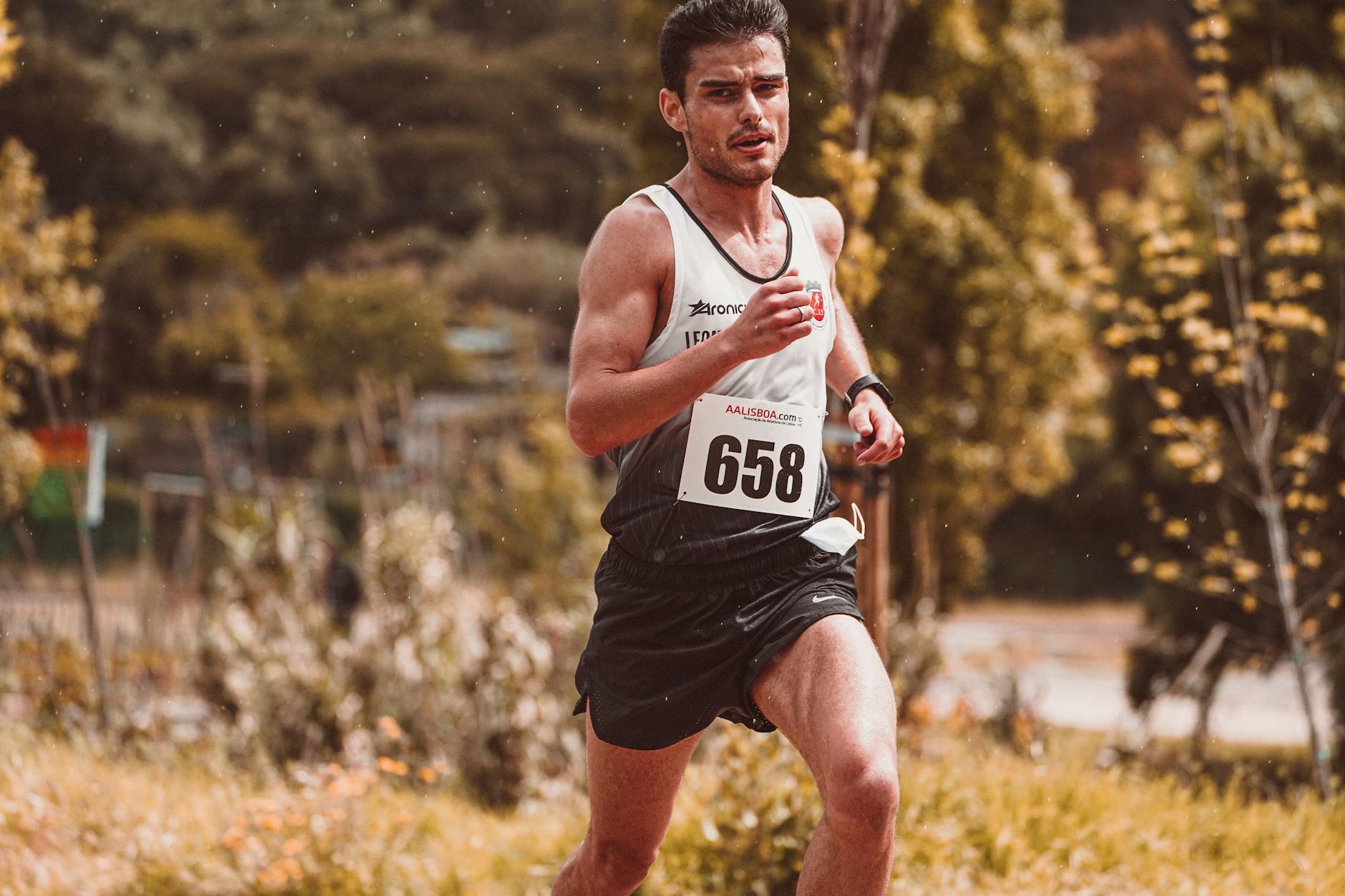
Have You Ever Wondered Why Some Athletes Simply Never Get Tired?
Two runners train together for months — same volume, same intensity, same diet. On race day, one of them seems to have an inexhaustible reserve of energy while the other battles exhaustion with every kilometer. What explains this difference? A significant part of the answer comes down to three letters: DNA.
VO2 max — or maximal oxygen uptake — is considered the gold-standard indicator of an individual's aerobic capacity. It measures the maximum amount of oxygen the body can absorb, transport, and use during high-intensity exercise. The higher the VO2 max, the greater the body's ability to produce energy efficiently and sustainably.
While training is fundamental for developing this capacity, scientific research makes one thing clear: genetics sets the ceiling of your aerobic potential. Understanding which genes influence VO2 max can transform the way you train, recover, and plan your athletic development.
What Is VO2 Max and Why Does It Matter?
VO2 max is expressed in milliliters of oxygen per kilogram of body weight per minute (mL/kg/min). A typical sedentary adult presents values between 25 and 35 mL/kg/min. Well-trained amateur athletes commonly reach 50 to 60 mL/kg/min. Elite endurance athletes — professional cyclists, cross-country skiers, triathletes — can exceed 80 mL/kg/min.
This metric is not only relevant to high-performance athletes. VO2 max is a powerful predictor of:
- Cardiovascular health — low values are associated with higher risk of heart disease
- Longevity — studies show a positive correlation between VO2 max and life expectancy
- Quality of life — greater aerobic capacity facilitates everyday activities and reduces fatigue
- Athletic performance — in endurance sports, VO2 max is frequently the limiting factor
Key finding: Twin studies suggest that up to 50% of the variation in VO2 max between individuals has a genetic basis. The remainder is shaped by training, altitude, nutrition, and other environmental factors.
The Genetics of VO2 Max: Genes That Make the Difference
Over the past two decades, sports genomics has identified dozens of genetic variants associated with aerobic potential. The key genes involved act through distinct mechanisms — from mitochondrial biogenesis to oxygen transport in the blood.
PPARGC1A — The Master Regulator of Mitochondrial Biogenesis
The PPARGC1A gene (also known as PGC-1α) is frequently described as the "master switch" of aerobic metabolism. It regulates mitochondrial biogenesis — the process by which muscle cells create new mitochondria, the cellular "power plants" responsible for ATP production via oxidative metabolism.
A critical variant is the Gly482Ser polymorphism (rs8192678). Carriers of the Gly482 allele tend to show greater gene expression in response to aerobic exercise, resulting in higher mitochondrial density and, consequently, greater oxidative capacity. Studies published in the Journal of Applied Physiology demonstrated that elite endurance athletes carry the Gly482 allele at a significantly higher frequency compared to the general population.
ACE — Blood Pressure Regulation and Oxygen Transport
The ACE gene (Angiotensin-Converting Enzyme) influences blood pressure regulation and muscular blood flow. The I/D (insertion/deletion) polymorphism of the ACE gene is one of the most studied in sports genomics:
- I allele (insertion): Associated with lower plasma ACE levels, greater cardiovascular efficiency, and better performance in long-duration activities. Predominant in elite endurance athletes.
- D allele (deletion): Associated with higher ACE levels, greater angiotensin II synthesis, and an advantage in strength and power activities.
A meta-analysis published in the British Journal of Sports Medicine confirmed that the ACE II genotype is significantly overrepresented in high-altitude mountaineers and endurance athletes, suggesting a real physiological advantage in oxygen transport under intense aerobic demand.
VEGF — The Architecture of the Vascular Network
The VEGF gene (Vascular Endothelial Growth Factor) controls angiogenesis — the formation of new blood vessels. A dense capillary network in muscles is fundamental for oxygen delivery during prolonged exercise.
Variants in the VEGF gene, such as the -2578C/A polymorphism (rs699947), influence the amount of VEGF produced in response to exercise and hypoxia. Carriers of certain variants display a greater angiogenic response to aerobic training, developing denser and more efficient capillary networks — which translates directly into greater oxygen delivery capacity to active muscles.
NRF2 (NFE2L2) — Cellular Protection and Metabolic Efficiency
The NRF2 gene (Nuclear Factor Erythroid 2-Related Factor 2) is a master regulator of the cellular antioxidant response. It activates genes that produce protective enzymes against oxidative stress generated during intense exercise.
Variants in NRF2, especially the -617C/A polymorphism, affect muscle cells' ability to adapt to aerobic training. Carriers of variants that increase NRF2 activity tend to recover more quickly from intense sessions and show a greater adaptive response to resistance training.
EPAS1 — Altitude Adaptation and Oxygen Response
The EPAS1 gene (also known as HIF-2α — Hypoxia-Inducible Factor 2 alpha) is central to the body's response to low oxygen availability. It regulates the production of erythropoietin (EPO), which stimulates red blood cell production.
Rare EPAS1 variants identified in Tibetan populations — conferring extraordinary adaptation to altitude — have become a focus of sports genomics research. While large-effect variants are rare in the general population, common polymorphisms in EPAS1 do influence hemoglobin concentration and oxygen transport capacity — elements directly linked to VO2 max.
| Gene | Function | Impact on VO2 Max |
|---|---|---|
| PPARGC1A | Mitochondrial biogenesis and oxidative metabolism | Gly482 allele increases mitochondrial density and aerobic capacity |
| ACE (I/D) | Cardiovascular regulation and blood flow | I allele favors oxygen transport efficiency in long-duration activities |
| VEGF | Angiogenesis and muscular capillary formation | High-expression variants enhance O₂ delivery to muscle |
| NRF2 (NFE2L2) | Antioxidant response and training adaptation | Greater activity favors recovery and aerobic adaptation |
| EPAS1 (HIF-2α) | Hypoxia response and erythropoietin production | Influences hemoglobin concentration and O₂ transport capacity |
Practical Implications: Using This Knowledge in Your Training
Knowing your genetic profile doesn't replace training — but it can make that training dramatically more efficient. Here's how genetic information translates into practical strategies:
Identify Your Training Response Potential
People with favorable variants in PPARGC1A and VEGF tend to respond better to long-duration workouts in the aerobic zone (Zone 2), where mitochondrial biogenesis and angiogenesis are maximized. Individuals with a more power-oriented profile may benefit more from high-intensity interval training (HIIT) to elevate VO2 max more efficiently.
Personalize Your Training Zones
Zone 2 training (60–70% of maximum heart rate) is especially effective for stimulating PPARGC1A-mediated mitochondrial biogenesis. Zone 4–5 training (85–95% of HRmax) is the most powerful stimulus for acutely increasing VO2 max, regardless of genetic profile.
- Endurance profile (PPARGC1A Gly482, ACE II): Prioritize 70–80% of training volume in Zone 2 with long sessions. Less HIIT, more low-intensity volume.
- Mixed or power profile: Include at least 2 weekly high-intensity interval sessions (4×4 minutes in Zone 5) to maximize the VO2 max response.
Adapt Your Recovery Strategy
Carriers of NRF2 variants with lower antioxidant capacity may benefit from longer recovery periods between intense sessions and extra attention to antioxidant nutrition (vitamin C, polyphenols, glutathione).
Consider Your Altitude Adaptation Potential
For athletes who compete in altitude sports or use "live high, train low" protocols (training at sea level while living at altitude), variants in EPAS1 can significantly influence the magnitude of the erythropoietic response — that is, how much the body increases red blood cell production in response to altitude exposure.
What helixXY Can Reveal About Your VO2 Max
helixXY offers personalized genetic analyses that include the key polymorphisms associated with aerobic capacity. Our Performance and Fitness reports analyze variants in genes such as PPARGC1A, ACE, VEGF, NRF2, and EPAS1, providing a comprehensive view of your genetic aerobic potential.
Based on your results, helixXY delivers:
- Analysis of your genetic aerobic capacity profile
- Classification of your endurance training response potential
- Personalized training zone recommendations based on your DNA
- Nutrition and recovery guidance aligned with your genetic profile
- Comparison with athlete profiles across different sports disciplines
The goal is not to determine whether you "can" or "cannot" be an endurance athlete. Genetics establishes probabilities, not destinies. But knowing your genetic starting point allows you to train smarter, avoid frustration, and maximize every hour invested in sport.
"Genetics loads the gun, but the environment pulls the trigger." — Francis Collins, former NIH Director and one of the leaders of the Human Genome Project.
Disclaimer: helixXY reports are informational and educational. Consult a healthcare professional or certified exercise specialist before making significant changes to your training program.
References
- Bouchard C, et al. "Genomic predictors of the maximal O₂ uptake response to standardized exercise training programs." Journal of Applied Physiology. 2011;110(5):1160-1170.
- Montgomery HE, et al. "Human gene for physical performance." Nature. 1998;393(6682):221-222.
- Eynon N, et al. "Genes and elite athletes: a roadmap for future research." Journal of Physiology. 2011;589(13):3063-3070.
- Maciejewska-Skrendo A, et al. "Polymorphisms of the peroxisome-proliferator activated receptors' coactivator-1 gene in power-orientated athletes." Journal of Sports Science and Medicine. 2019;18(2):198-208.
- Scott RA, Pitsiladis YP. "Genotypes and distance running: clues from Africa." Sports Medicine. 2007;37(4-5):424-427.