Genetics of fibrosis

Dupuytren's Disease
& Genetics

The "Viking disease" — progressive fibrosis of palmar fascia with a strong hereditary component. The WNT pathway drives the risk.

helixXY analyzes variants in EPDR1, WNT7B, WNT2, SFRP4, RSPO2 and SULF1 — the main susceptibility loci identified in international GWAS with over 8,000 patients.

~70%
Twin concordance
5–10×
Family risk
50+
Most common age
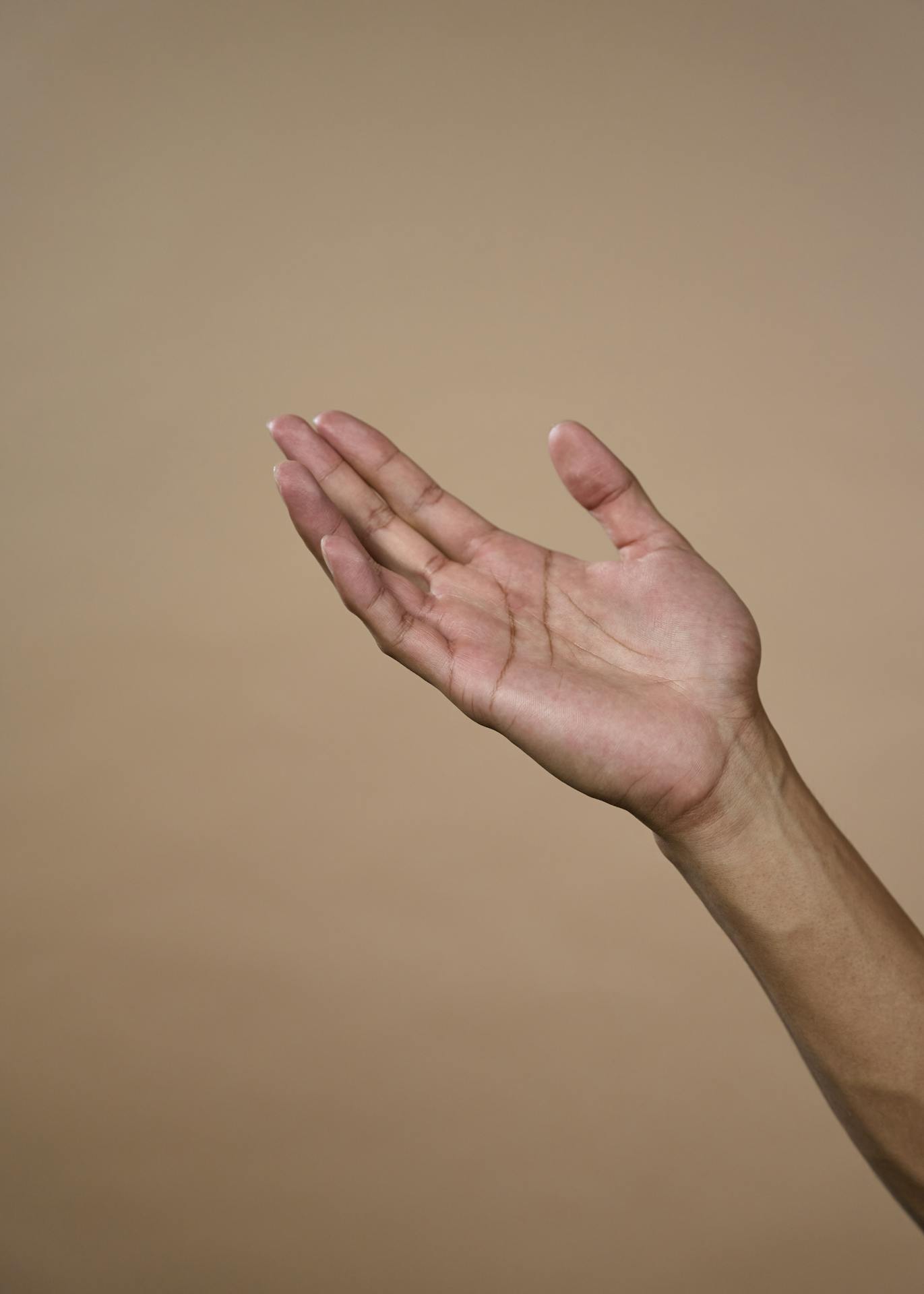
Open hand — Dupuytren's Disease & Genetics
6 WNT loci
EPDR1, WNT7B & more
Early identification
Before contracture

~30%
Nordic men >60 affected
7:1
Male:female ratio
6 loci
WNT-pathway loci analyzed
15 min
To receive your complete report
When connective tissue rebels

A silent fibrosis
in the palm of the hand

Dupuytren's Disease is a benign fibroproliferation of the palmar fascia — a thin layer of connective tissue just below the skin of the hand. Myofibroblasts deposit excess type III collagen, first forming nodules, then cords, and ultimately pulling the fingers (especially ring and little fingers) into progressive, irreversible flexion.

Almost all identified susceptibility loci converge on a single biological pathway: WNT/β-catenin signaling. This molecular specificity is rare in complex diseases — and paves the way for targeted therapies in the future.

helixXY maps variants at the six main WNT loci, contextualizing your genetic risk and providing inputs for discussion with your hand orthopedist.

The WNT pathway is the central axis

Of the 9 confirmed risk loci in GWAS, 6 are in WNT-pathway genes. This molecular convergence is uncommon and offers rational therapeutic targets.

Early identification changes the course

When detected at the nodular stage (without contracture), more conservative management options exist. Knowing the genetic risk allows attention to early signs before functional impairment.

Use your existing data

Use your file from 23andMe, Genera, AncestryDNA, etc. Within 15 minutes of upload, your report is ready — no new sample required.

Hand physical therapy session

Early identification + follow-up by a hand therapist can significantly delay the progression of contracture.

Photo by Yan Krukau on Pexels

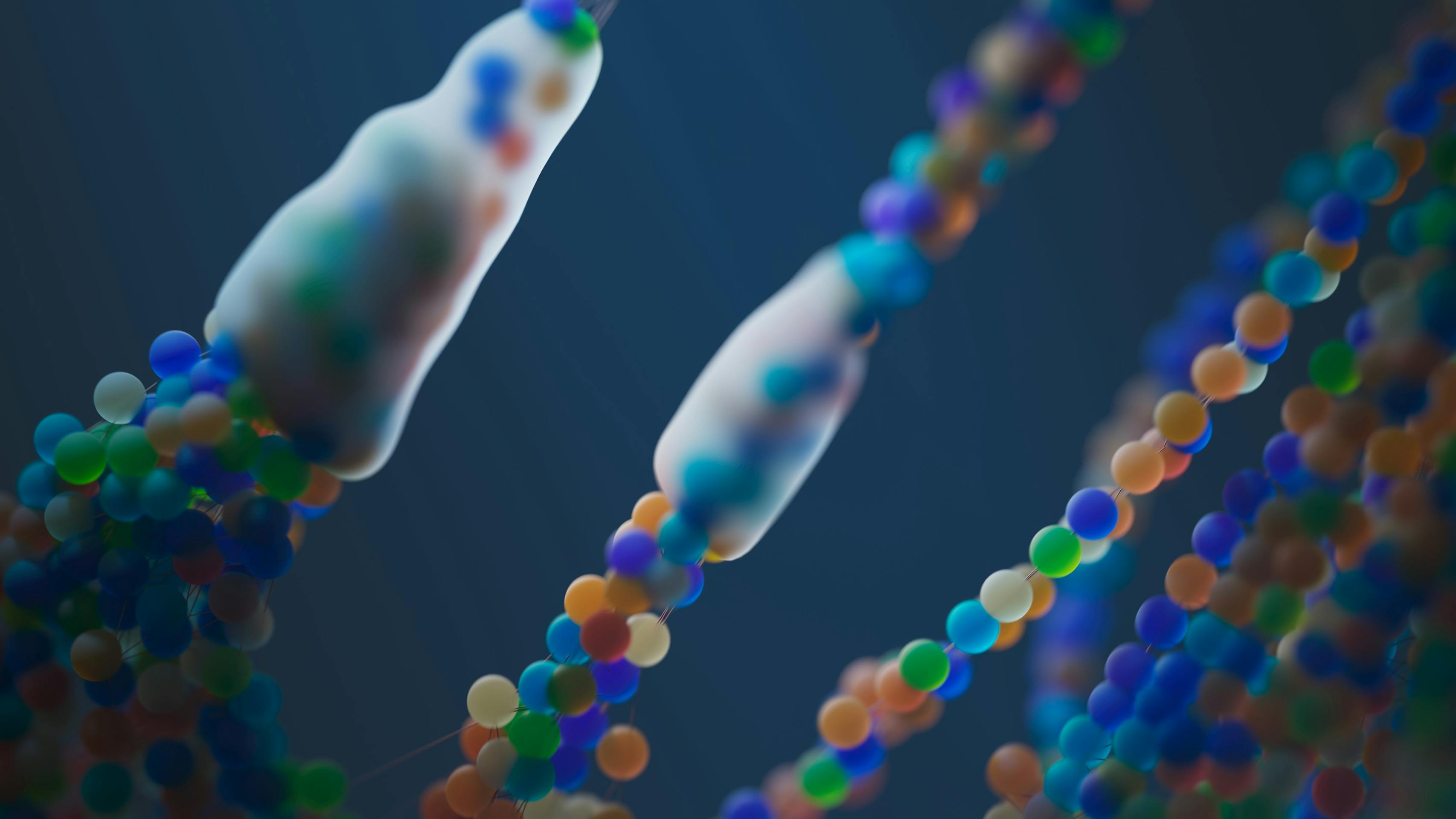
Artistic DNA representation
International GWAS

9 confirmed loci — 6 of them in the same biological pathway

The seminal study by Dolmans et al. (NEJM 2011) and subsequent meta-analyses mapped the genetic atlas of Dupuytren's Disease — dominated by the WNT pathway.

Photo by Google DeepMind on Pexels

Analyzed genes

The 6 WNT-pathway loci with the largest effect

All major susceptibility loci converge on WNT/β-catenin signaling — a unique molecular signature among complex diseases.

EPDR1

EPDR1

Chromosome 7p14.1

The largest-effect locus identified in Dupuytren's GWAS (Dolmans et al., NEJM 2011). EPDR1 encodes an endoplasmic reticulum protein involved in cell adhesion. The intronic variant rs17171229 nearly doubles risk and is strongly conserved in populations of Northern European ancestry.

Common variants: rs17171229rs16879765rs10488822
1.98×
odds ratio
WNT7B

WNT7B

Chromosome 22q13.31

Secreted WNT pathway ligand, central to the pathological fibrosis of palmar fascia. WNT7B is strongly expressed in myofibroblasts of Dupuytren's nodules, activating β-catenin and perpetuating abnormal type III collagen deposition.

Common variants: rs6519955rs7291412rs2273368
1.54×
odds ratio
WNT2

WNT2

Chromosome 7q31.2

Another WNT ligand involved in fibroblast proliferation and myofibroblast differentiation. WNT2 variants amplify canonical WNT/β-catenin signaling — a process central to the pathogenesis of digital contracture.

Common variants: rs4730775rs10488822rs11763036
1.54×
odds ratio
SFRP4

SFRP4

Chromosome 7p14.1

Soluble WNT pathway antagonist. Paradoxically, risk variants in SFRP4 reduce its expression — diminishing natural inhibition of WNT signaling and amplifying fibrosis. SFRP4 is one of the most elegant examples of WNT regulation in human pathology.

Common variants: rs16879765rs17171229rs7777177
1.32×
odds ratio
RSPO2

RSPO2

Chromosome 8q23.1

R-spondin 2, a WNT pathway agonist that potentiates β-catenin signaling. RSPO2 variants increase fibroblast sensitivity to WNT ligands, contributing to the myofibroblast transformation that defines Dupuytren's cords.

Common variants: rs611744rs7833368rs7833403
1.43×
odds ratio
SULF1

SULF1

Chromosome 8q13.2

Sulfatase-1, modulates the extracellular matrix by removing sulfates from heparan proteoglycans. Indirectly regulates the bioavailability of WNT ligands and growth factors (FGF, VEGF) — connecting matrix remodeling to fibrogenic signaling.

Common variants: rs7833368rs1985810rs6982797
1.28×
odds ratio

Additional loci also analyzed: The report also includes variants in WNT4, MAFB, SH3BP4, ZBTB7A, ALDH2 and other loci identified in GWAS meta-analyses of more than 8,000 patients (Ng et al. 2017, Major et al. 2019).

Senior man crafting in workshop

Photo by Mehmet Aramaz on Pexels

Hands tell stories

Preserving function
means preserving life

Dupuytren's rarely hurts — but it can steal the ability to do what matters: shake a hand, hold an instrument, write, button a shirt. Detecting early and modifying risk factors (quit smoking, reduce alcohol, control diabetes) makes a real difference.

Genetics anticipates the possibility. Lifestyle and follow-up determine the outcome.

How it works

What helixXY delivers

An interpreted, contextualized, and actionable report — not just a list of variants.

WNT-pathway analysis

Variants in EPDR1, WNT7B, WNT2, SFRP4, RSPO2 and SULF1 are analyzed and contextualized based on the most recent international GWAS.

Dupuytren polygenic score

We combine the main loci into a Polygenic Risk Score (PRS) validated in European cohorts of more than 8,000 patients.

Clinical and ancestry context

Each finding comes with literature reference, risk percentages, and interpretation adjusted to your ancestry (relevant for Dupuytren, strongly Northern European).

Signs to watch for

Clear guidance on the first signs (palmar nodules, fascial thickening) and when to consult a hand orthopedist.

Continuous updates

As new loci are discovered and guidelines updated, your report is automatically revised — at no additional cost.

Absolute privacy

Your data is processed with AES-256 encryption in a zero-knowledge architecture. Full GDPR compliance.

Signs that warrant attention

Dupuytren's evolves in stages. Recognizing the early nodular phase allows more management options.

Painless palmar nodule

Firm bump on the palm, usually near the base of the ring finger. Typically painless — hence the tendency to ignore it.

Skin thickening

The skin over the palmar fascia may appear more "tethered," with small dimples (pitting) when trying to open it.

Visible fibrous cord

A "violin-string" cord forms under the skin, connecting palm to finger. Sign of progression to the contracture phase.

Positive table-top test

Inability to place the hand fully flat on a table indicates clinically significant contracture (>30°), usually requiring treatment.

Functional limitation

Difficulty shaking hands, putting on gloves, washing the face, or grasping large objects. The point at which treatment becomes a priority.

Bilateral involvement

About half of cases affect both hands. When bilateral and in younger patients, suggests "Dupuytren diathesis" — an aggressive phenotype with strong genetic origin.

Grounded in cutting-edge science

Our analysis integrates the seminal GWAS (Dolmans et al. NEJM 2011, Ng et al. 2017, Major et al. 2019) with over 8,000 patients — aligned with the American Society for Surgery of the Hand and the International Federation of Societies for Surgery of the Hand (IFSSH).

Peer-reviewed
GWAS Catalog
IFSSH Guidelines
GDPR Compliant

Frequently asked questions

Clear, evidence-based answers about genetics and Dupuytren's Disease.

Important medical notice: The information provided by helixXY is for educational and informational purposes only. It does not constitute a diagnosis, clinical laboratory report, or substitute for medical consultation. Diagnosis and therapeutic indication for Dupuytren's Disease require clinical evaluation by a hand-specialist orthopedist. Always consult a qualified professional.

Knowledge is the best
form of prevention

Upload your genetic file and receive your complete Dupuytren's Disease susceptibility report in under 15 minutes.

Stay updated and never miss anything.

+1k Join the community

No spam. Cancel anytime.