Urate genomics

Gout
& Genetics

The "disease of kings" is actually a disease of renal urate transporters — and your DNA dictates the tendency.

helixXY analyzes variants in SLC2A9, ABCG2, SLC22A12 (URAT1), SLC17A1, GCKR and PDZK1 — the transporters and regulators that determine how much uric acid your body retains.

30–60%
Heritability
2–3×
Family risk
~4%
Global prevalence
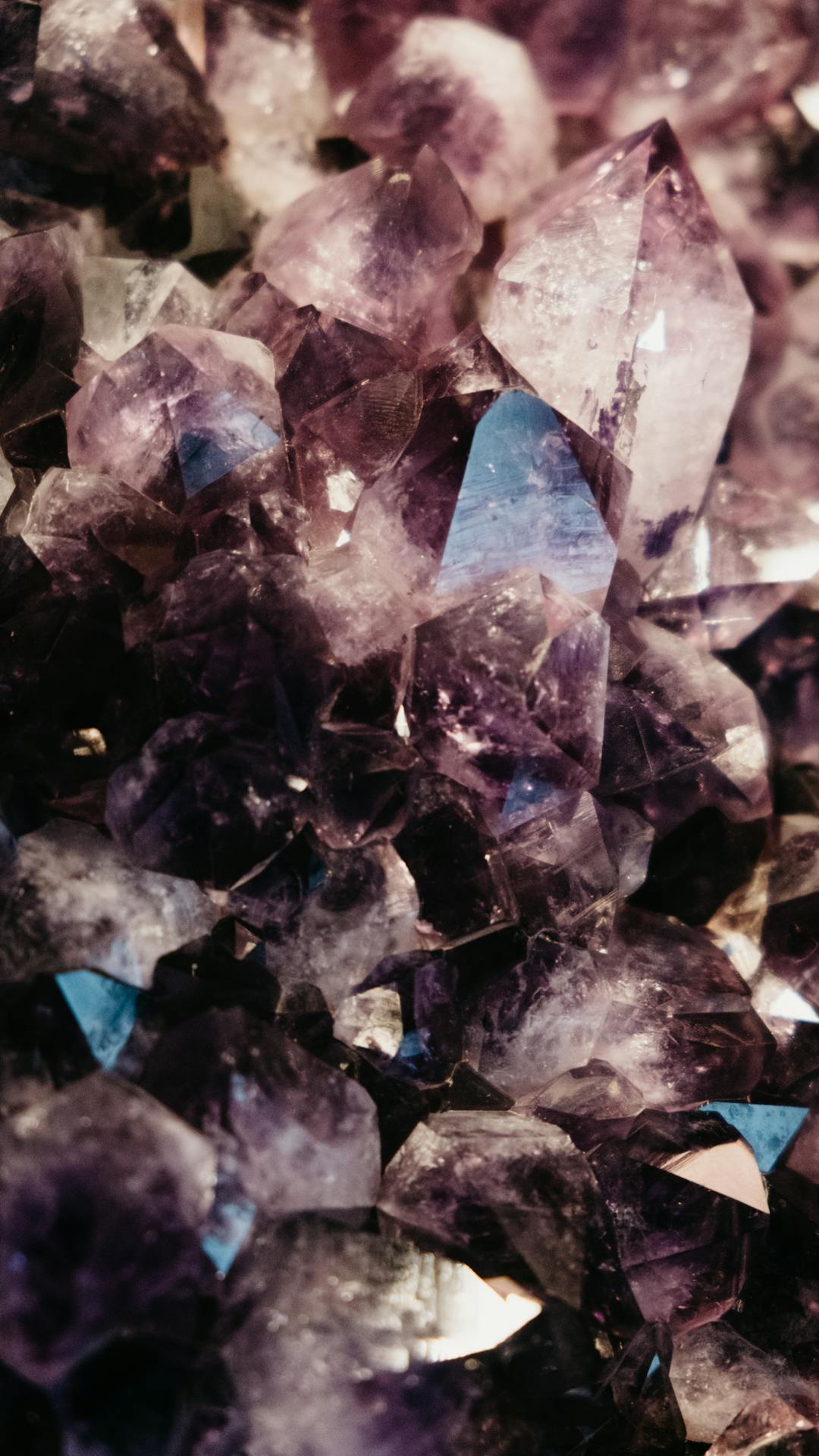
Amethyst crystals — metaphor for monosodium urate crystals
6 transporters
SLC2A9, ABCG2 & more
Dietary prevention
Genetics guides choices

3:1
Male:female ratio
40+
Typical age of onset
6 genes
Largest-effect loci analyzed
15 min
To receive your complete report
Crystals that hurt

More than diet:
a drama of transporters

Gout is a microcrystalline arthropathy caused by deposition of monosodium urate (MSU) crystals in joints — classically the big toe ("podagra"). Crystals activate neutrophils and release inflammatory cytokines (IL-1β), generating episodes of intense pain, heat, and swelling.

The root cause is chronic hyperuricemia: serum uric acid elevated enough to saturate and crystallize. And hyperuricemia is largely genetic: two loci (SLC2A9 and ABCG2) alone explain up to 10% of urate variation — the largest effect of any gene pair in common internal medicine.

helixXY analyzes these transporters and offers a precise map of your uricemic tendency — before the first attack.

SLC2A9 + ABCG2 dominate

Two genes explain up to 10% of serum urate variation — uncommon effect in complex diseases. Identifying your variants is the first step toward targeted prevention.

Genetics and diet interact

Risk variants amplify the impact of red meat, seafood, beer, and fructose. Knowing your DNA allows informed food choices — not pointlessly restrictive ones.

Use your existing data

Use your file from 23andMe, Genera, AncestryDNA, etc. Within 15 minutes of upload, your report is ready — no new sample required.

Woman hydrating with water

Adequate hydration (≥2L/day) increases renal urate clearance and reduces attack risk by up to 40% in carriers of risk variants.

Photo by Polina Tankilevitch on Pexels

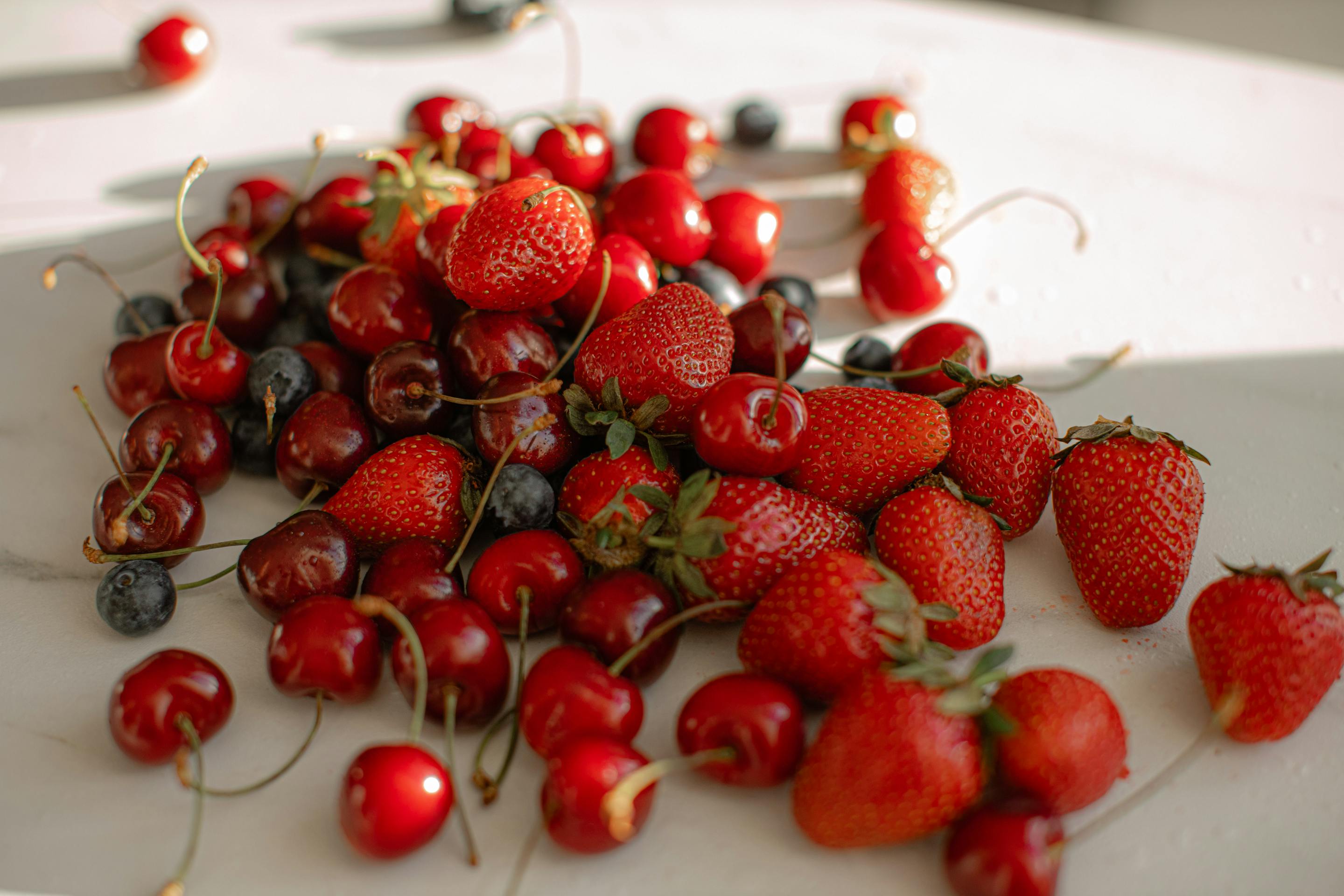
Cherries, blueberries and strawberries — gout-protective foods
From bench to table

Cherries reduce attacks by 35% — solid science, not folklore

Clinical studies show that cherries and their polyphenols reduce joint inflammation and gout attacks. For carriers of risk variants in SLC2A9/ABCG2, this effect is especially relevant.

Photo by Anastasia Shuraeva on Pexels

Analyzed genes

The 6 transporters and regulators that control your urate

helixXY analyzes the main renal transporters and metabolic regulators identified in Global Urate Genetics Consortium (GUGC) meta-analyses.

SLC2A9

SLC2A9

Chromosome 4p16.1

Glucose transporter 9 (GLUT9) — paradoxically, the main renal transporter of uric acid. Located in proximal tubules, it reabsorbs urate from the glomerular filtrate. SLC2A9 is the largest-effect genetic locus on serum urate levels in every population studied — variants alter expression and elevate uricemia.

Common variants: rs734553rs6855911rs16890979
1.74×
odds ratio
ABCG2

ABCG2

Chromosome 4q22.1

ATP Binding Cassette Sub-Family G Member 2 — urate efflux transporter in the intestine and kidney. The Q141K variant (rs2231142) reduces urate secretion by ~50% and is especially prevalent in Asian populations. Together with SLC2A9, accounts for much of the genetic variance in uricemia.

Common variants: Q141K (rs2231142)rs2199936Q126X (rare)
1.74×
odds ratio
SLC22A12

SLC22A12

Chromosome 11q13.1

URAT1 — urate-specific organic anion transporter, the main mediator of urate tubular reabsorption. Molecular target of classic uricosurics (probenecid, benzbromarone, lesinurad). SLC22A12 variants alter renal urate clearance.

Common variants: rs475688rs11231825W258X (loss-of-function)
1.40×
odds ratio
SLC17A1

SLC17A1

Chromosome 6p22.2

NPT1 — sodium-dependent phosphate transporter, also transports urate from tubular cells to the tubular lumen (apical efflux). SLC17A1 variants reduce urinary urate excretion and elevate the risk of hyperuricemia and gout attacks.

Common variants: rs1183201rs1165196rs1165205
1.20×
odds ratio
GCKR

GCKR

Chromosome 2p23.3

Glucokinase Regulator — protein that regulates hepatic glucokinase and fructose metabolism. The P446L variant (rs1260326) links fructose consumption, hyperuricemia, and gout. A bridge between carbohydrate metabolism and endogenous uric acid production via hepatic ATP degradation.

Common variants: P446L (rs1260326)rs780094rs780093
1.15×
odds ratio
PDZK1

PDZK1

Chromosome 1q21.1

PDZ Domain Containing 1 — scaffold protein that organizes the urate transporter complex (URAT1, GLUT9, NPT1) at the apical membrane of the proximal tubule. PDZK1 variants disorganize the renal transportosome and impair coordinated urate handling.

Common variants: rs12129861rs1471633rs1167754
1.10×
odds ratio

Additional loci also analyzed: The report also includes variants in SLC22A11, SLC17A3, SLC16A9, INHBC, RREB1, ALDH16A1 and other loci identified in GUGC GWAS meta-analyses with over 140,000 individuals.

Elderly couple walking together in a park

Photo by Luis Becerra on Pexels

Keep walking

The attack lasts days
prevention, a lifetime

The first attack usually appears between ages 40 and 60 — a moment when many discover they've had chronic hyperuricemia for decades. Knowing earlier enables simple, powerful interventions: hydration, reducing alcohol, informed food choices, weight loss when indicated.

And when treatment is needed, genetics helps anticipate responses: carriers of highly altered SLC2A9/ABCG2 benefit more from allopurinol/febuxostat than from uricosurics.

How it works

What helixXY delivers

An interpreted, contextualized, and actionable report — not just a list of variants.

Transporter analysis

Variants in SLC2A9, ABCG2, SLC22A12 (URAT1), SLC17A1, GCKR and PDZK1 are analyzed and contextualized based on the most recent GUGC GWAS.

Urate polygenic score

We combine dozens of loci into a Serum Urate Polygenic Risk Score validated in UK Biobank cohorts of over 460,000 individuals.

Clear clinical context

Each finding comes with literature reference, risk percentages, and interpretation tailored to your age, sex, and ancestry.

Dietary recommendations

Personalized guidance on purines, alcohol, fructose, and protective foods (cherries, coffee, low-fat dairy) based on your genetic profile.

Continuous updates

As new loci and guidelines are published (EULAR, ACR), your report is automatically revised — at no additional cost.

Absolute privacy

Your data is processed with AES-256 encryption in a zero-knowledge architecture. Full GDPR compliance.

Signs that warrant attention

The first attack is unforgettable — but there are subtle signs beforehand. In carriers of genetic risk, attention to any new joint pain is essential.

Podagra (big toe)

Sudden, intense, often nocturnal pain at the base of the big toe. Joint becomes red, hot, and so tender even bedsheets bother. Pathognomonic for gout.

Recurrent joint attacks

Ankles, knees, finger joints, elbows, and wrists can be affected. Attacks last 7–14 days and resolve spontaneously — a false relief.

Tophi (crystalline deposits)

Firm subcutaneous nodules on ears, elbows, fingers, or Achilles tendon. Mark chronic untreated disease — can ulcerate and drain soft whitish material.

Kidney stones (uric acid)

Urate crystals can precipitate in kidneys, forming stones. Renal colic in a genetically at-risk carrier should raise suspicion of hyperuricemia.

Spike after excess

Attacks frequently happen hours after a meal rich in red meat/seafood or after a beer binge. Recognizing the dietary pattern aids prevention.

Atypical symptoms in women

Gout in women tends to manifest post-menopause, with polyarticular involvement and early tophi. Often misdiagnosed as rheumatoid arthritis or osteoarthritis.

Grounded in cutting-edge science

Our analysis integrates data from the Global Urate Genetics Consortium (GUGC), UK Biobank, and GWAS meta-analyses with over 460,000 individuals — aligned with American College of Rheumatology, EULAR, and Brazilian Society of Rheumatology guidelines.

Peer-reviewed
GUGC Consortium
ACR / EULAR Guidelines
GDPR Compliant

Frequently asked questions

Clear, evidence-based answers about genetics and gout.

Important medical notice: The information provided by helixXY is for educational purposes only. Elevated genetic risk does not diagnose gout; isolated elevated uricemia is not equivalent to disease. Definitive diagnosis requires clinical correlation and ideally synovial fluid analysis by a rheumatologist. Always consult a qualified professional.

Knowledge is the best
form of prevention

Upload your genetic file and receive your complete gout susceptibility report in under 15 minutes.

Stay updated and never miss anything.

+1k Join the community

No spam. Cancel anytime.