Hematogenomics

Hodgkin Lymphoma
& Genetics

One of the most curable cancers — and with a strong genetic component. Know your susceptibility profile.

helixXY analyzes variants in the HLA class II region, NPAT, REL, IL13, GATA3 and TNFAIP3, providing a personalized map of your immune predisposition to classical Hodgkin Lymphoma.

3–9×
Sibling risk
85%+
Cure rate
15–35
Peak age
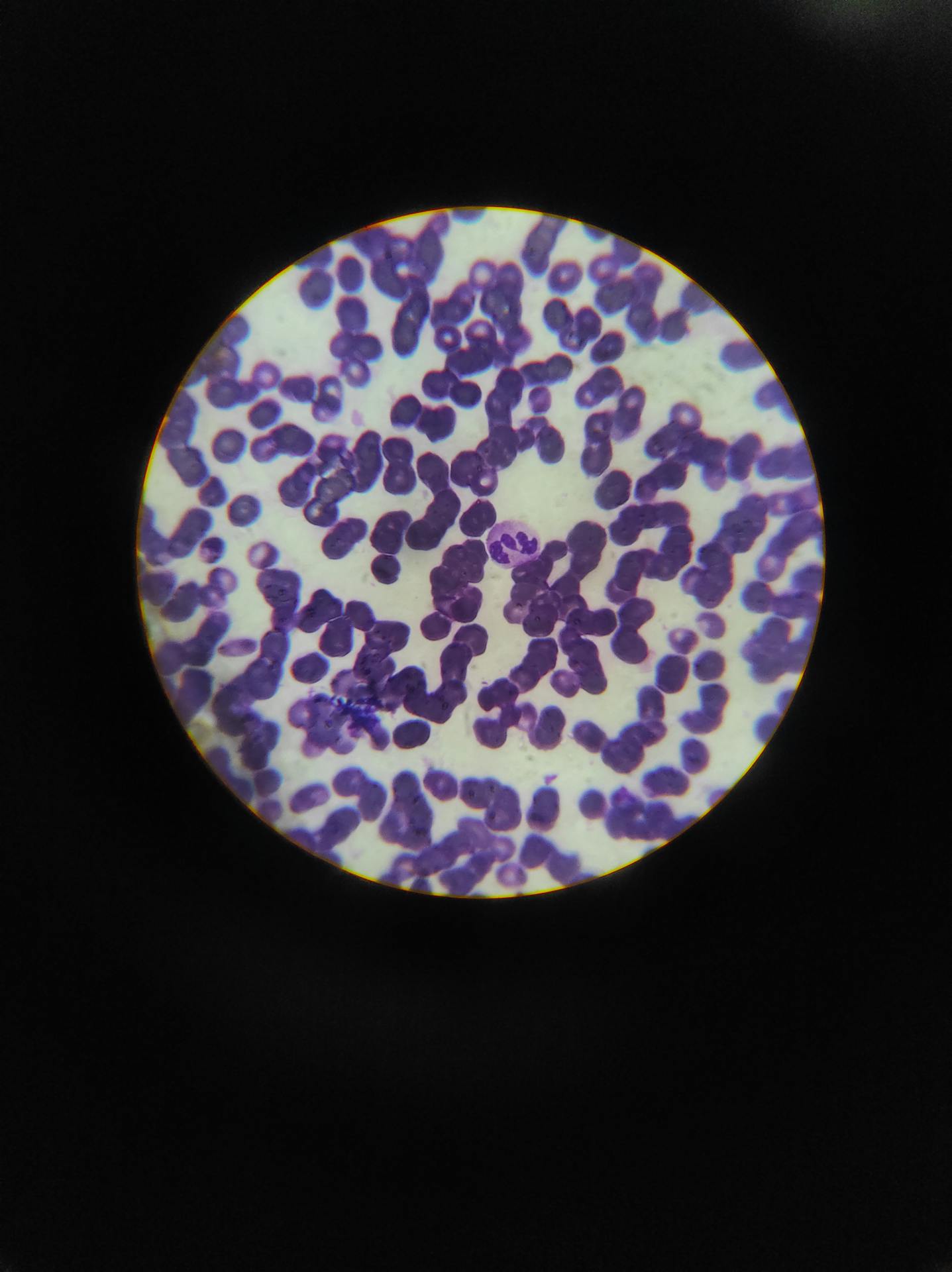
Lymphocytes under microscope — Hodgkin Lymphoma & Genetics
6 key genes
HLA-DPB1, NPAT & more
Active surveillance
Early detection
83K
New cases worldwide per year
87%
5-year survival rate
6 genes
Susceptibility loci analyzed
15 min
To receive your complete report
The role of immunity

A cancer of the
lymphatic & immune system

Hodgkin Lymphoma is a neoplasm of germinal center B cells, characterized by the presence of Reed-Sternberg cells — giant binucleated cells that evade the immune system by manipulating inflammatory signals to their benefit.

Unlike many cancers, Hodgkin Lymphoma has a strong familial aggregation — siblings have a 3–9× higher risk, identical twins up to 99× higher. This heritability primarily reflects variants in adaptive immune system genes (HLA, NF-κB, Th2 cytokines).

helixXY maps relevant germline variants at all major susceptibility loci, with interpretation based on international GWAS meta-analyses and data from over 40,000 patients.

Hereditary immune predisposition

The HLA class II region is the primary genetic determinant. Specific variants influence how the immune system presents viral antigens (especially EBV) — modulating risk over decades.

Early detection is decisive

At localized stages (I–II), the cure rate exceeds 90%. Knowing your genetic risk allows heightened attention to early symptoms such as persistent lymphadenopathy.

Use your existing data

Use your file from 23andMe, Genera, AncestryDNA, etc. Within 15 minutes of uploading, your complete report is ready — no new sample required.

Analyzed genes

The 6 main loci of susceptibility

helixXY analyzes variants at all moderate and high-significance loci identified by GWAS for classical Hodgkin Lymphoma.

HLA-DPB1

HLA-DPB1

Chromosome 6p21.32

The HLA class II region is the strongest locus associated with Hodgkin Lymphoma. Variants in HLA-DPB1 alter viral antigen presentation (especially Epstein-Barr) and modulate the adaptive immune response, making it the primary genetic determinant of susceptibility.

Common variants: rs6903608rs9268542HLA-DPB1*03:01
3.2×
odds ratio
NPAT

NPAT

Chromosome 11q22.3

RNA processing gene located near ATM. The rs2155209 variant in NPAT increases the risk of EBV-positive Hodgkin Lymphoma in young adults. Plays a role in regulating histone expression during the cell cycle.

Common variants: rs2155209rs1860661c.622T>C
2.1×
odds ratio
REL

REL

Chromosome 2p15

Component of the NF-κB pathway, amplified in Reed-Sternberg cells (the hallmark of Hodgkin Lymphoma). REL polymorphisms increase chronic inflammatory signaling and the survival of malignant cells.

Common variants: rs1432295rs13031237rs842647
1.6×
odds ratio
IL13

IL13

Chromosome 5q31.1

Essential Th2 cytokine in the pathogenesis of classical Hodgkin Lymphoma. Reed-Sternberg cells depend on autocrine IL-13 for proliferation. The rs20541 (R130Q) variant elevates IL-13 production and disease risk.

Common variants: rs20541 (R130Q)rs1800925rs2069743
1.8×
odds ratio
GATA3

GATA3

Chromosome 10p14

Master transcription factor for Th2 differentiation. GATA3 variants modulate the characteristic tumor microenvironment of Hodgkin Lymphoma, with rich infiltration of T lymphocytes and eosinophils.

Common variants: rs3824662rs501764rs4143094
1.4×
odds ratio
TNFAIP3 (A20)

TNFAIP3 (A20)

Chromosome 6q23.3

Negative regulator of the NF-κB pathway. Loss-of-function in TNFAIP3 leads to uncontrolled NF-κB activation in Reed-Sternberg cells. Both somatic and germline mutations are associated with classical Hodgkin Lymphoma.

Common variants: rs6920220rs5029939c.811C>T
1.5×
odds ratio

Additional loci also analyzed: The complete report also includes polymorphisms in HLA-A, HLA-DRB1, IL18R1, CXCR5 and other genes involved in adaptive immune response and inflammatory signaling relevant to Hodgkin Lymphoma.

How it works

What helixXY delivers

An interpreted, contextualized, and actionable report — not just a list of variants.

HLA variant analysis

We identify HLA class I and II haplotypes that influence the immune response to Epstein-Barr Virus — the main environmental cofactor for Hodgkin Lymphoma.

Polygenic risk score

We combine dozens of small-effect variants into a polygenic score (PRS) that stratifies your risk against the population, validated in cohorts of over 40,000 patients.

Clear scientific context

Each finding is explained with reference to the literature, comparative odds ratios, and contextualization against population incidence.

Surveillance guidance

Recommendations based on NCCN and ESMO guidelines for clinical surveillance in carriers of increased genetic risk, with signs and symptoms to watch.

Continuous updates

As new loci are discovered by GWAS and meta-analyses are published, your report is automatically revised — at no additional cost.

Absolute privacy

Your data is processed with AES-256 encryption in a zero-knowledge architecture. Full GDPR compliance.

Signs that warrant attention

For carriers of increased genetic risk, knowing the early symptoms is essential for early detection.

Enlarged lymph nodes

Especially in the neck, armpits, and groin. Painless, firm, and persistent for more than 2 weeks.

Fever without cause

Persistent fever above 38°C (100.4°F) without identifiable infection — a classic B symptom.

Night sweats

Profuse sweating enough to soak clothes and sheets — another classic B symptom.

Weight loss

Unintentional loss of more than 10% of body weight over the past 6 months.

Generalized itching

Itching without apparent skin cause, often persistent — can be a paraneoplastic symptom.

Persistent fatigue

Tiredness disproportionate to effort, not relieved by rest, lasting for weeks.

Grounded in cutting-edge science

Our analysis integrates international GWAS meta-analyses with over 40,000 patients, ClinVar variant classifications, and clinical guidelines from NCCN, ESMO, and the American Society of Hematology.

Peer-reviewed
GWAS Catalog
NCCN Guidelines
GDPR Compliant

Frequently asked questions

Clear, evidence-based answers about genetics and Hodgkin Lymphoma.

Important medical notice: The information provided by helixXY is for educational and informational purposes only. It does not constitute a diagnosis, clinical laboratory report, or substitute for medical consultation. The diagnosis of Hodgkin Lymphoma requires a lymph node biopsy with histopathological analysis performed by a hematologist or oncologist. Always consult a qualified professional for interpretation and guidance.

Knowledge is the best
form of prevention

Upload your genetic file and receive your complete Hodgkin Lymphoma susceptibility report in under 15 minutes.

Stay updated and never miss anything.

+1k Join the community

No spam. Cancel anytime.