What Is Arterial Hypertension?
Arterial hypertension — commonly known as high blood pressure — is a chronic medical condition characterized by the persistent elevation of the force that blood exerts against the walls of the arteries. It is one of the most prevalent and consequential health conditions in the world, affecting an estimated 1.28 billion adults according to the World Health Organization (WHO), and ranking among the leading modifiable risk factors for heart attack, stroke, kidney failure, and premature death.
Blood pressure is expressed as two numbers, both measured in millimeters of mercury (mmHg):
- Systolic pressure — the pressure in the arteries when the heart contracts and pumps blood
- Diastolic pressure — the pressure when the heart rests between beats
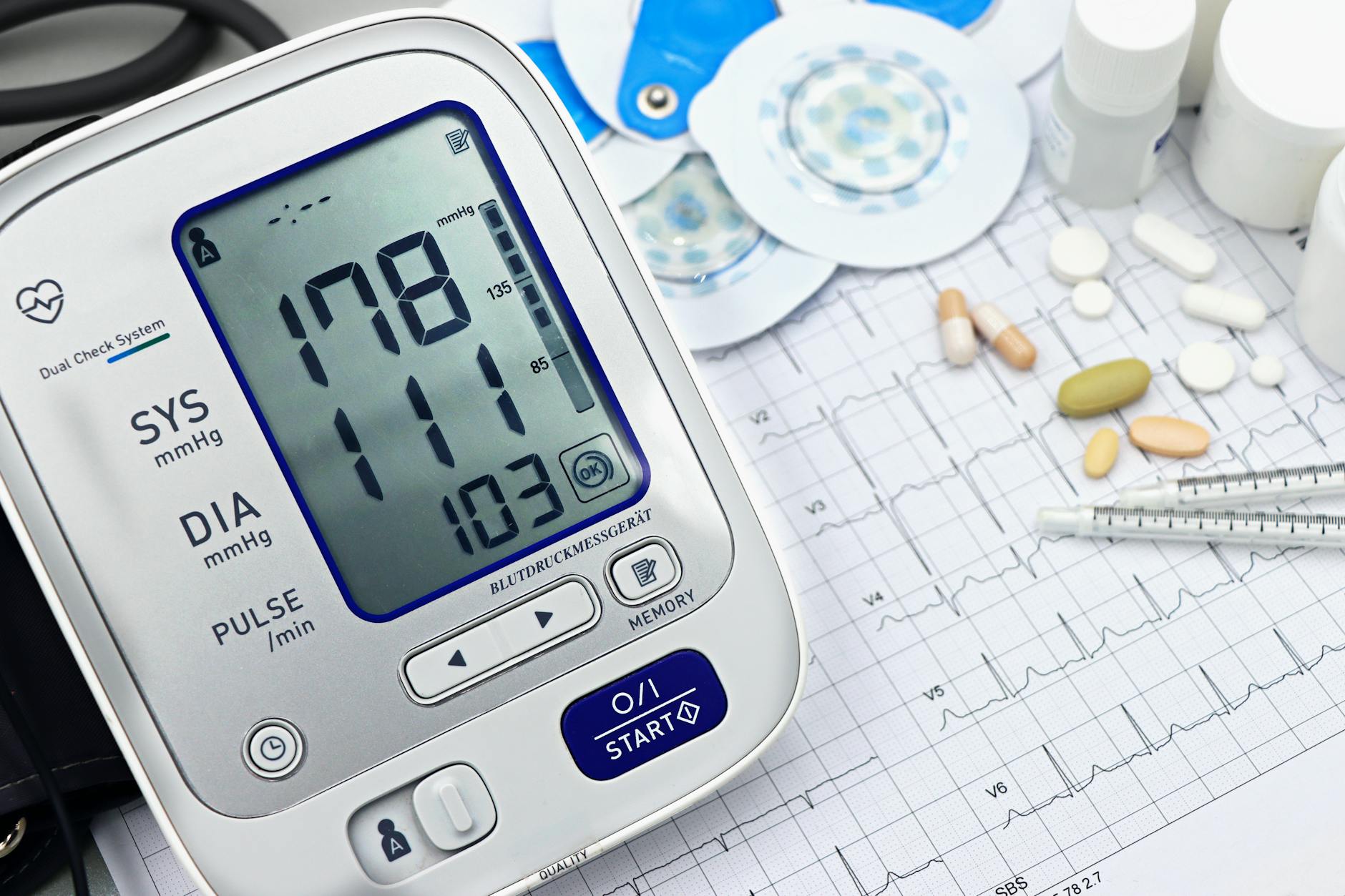
A reading below 120/80 mmHg is considered normal for adults. Hypertension is diagnosed when blood pressure readings consistently reach or exceed 140/90 mmHg across multiple measurements on different occasions. Values between 120/80 and 139/89 are classified as elevated or pre-hypertension — a warning zone where lifestyle intervention can prevent full-blown hypertension from developing.
Types of Arterial Hypertension
Not all hypertension has the same origin. Clinicians distinguish two major categories:
- Primary (essential) hypertension: Accounts for approximately 90–95% of all cases. There is no single identifiable cause. Instead, it arises from the cumulative interaction of genetic predisposition, aging, dietary factors, physical activity levels, body weight, stress, and other environmental exposures over time. This is the form most strongly influenced by inherited genetic factors.
- Secondary hypertension: Represents 5–10% of cases and has an identifiable underlying cause, such as chronic kidney disease, primary aldosteronism, renal artery stenosis, thyroid disorders, sleep apnea, or use of certain medications (including NSAIDs, oral contraceptives, and decongestants). Treating the underlying condition can often normalize blood pressure.
Symptoms of Hypertension
Hypertension is often called the "silent killer" because, in the vast majority of cases, it produces no symptoms whatsoever — sometimes for decades. The absence of discomfort does not mean the absence of harm: high blood pressure continuously damages arterial walls, strains the heart, and impairs organ function even when no warning signs are felt.
When symptoms do occur, they are typically nonspecific and may include:
- Headaches, particularly at the back of the head and more pronounced in the morning
- Dizziness or lightheadedness
- Ringing or buzzing in the ears (tinnitus)
- Blurred or double vision
- Heart palpitations
- Nosebleeds (epistaxis)
- Shortness of breath on exertion
- A feeling of chest pressure or heaviness
These symptoms are more likely to appear during hypertensive crises — sudden, severe elevations in blood pressure (typically above 180/120 mmHg) — which require immediate medical attention. Because routine hypertension rarely announces itself, regular blood pressure monitoring is the only reliable way to detect it early.
The Genetics of Hypertension
A compelling body of evidence confirms that primary hypertension has a strong heritable component. Studies of twins estimate that genetic factors explain 30–60% of the variation in blood pressure across the population. If one parent has hypertension, a child's risk is approximately doubled; if both parents are affected, the risk increases further.
Hypertension is a polygenic condition — hundreds of common genetic variants each contribute small effects on blood pressure. Large-scale genome-wide association studies (GWAS) have identified more than 1,000 genetic loci associated with blood pressure regulation. Key mechanisms implicated include:
- Renin-angiotensin-aldosterone system (RAAS) genes: Variants in genes such as AGT (angiotensinogen), ACE (angiotensin-converting enzyme), AGTR1 (angiotensin II receptor type 1), and CYP11B2 (aldosterone synthase) influence sodium retention and vascular tone — both central regulators of blood pressure.
- Sodium transport genes: Genes controlling renal sodium handling, including SLC12A3 (encoding the thiazide-sensitive sodium-chloride cotransporter) and SCNN1B/SCNN1G (epithelial sodium channel subunits), affect how efficiently the kidneys regulate fluid volume and therefore blood pressure.
- Endothelial function genes: Variants in NOS3 (endothelial nitric oxide synthase) affect the production of nitric oxide, a critical vasodilator that helps blood vessels relax. Reduced nitric oxide activity contributes to elevated vascular resistance.
- Sympathetic nervous system genes: Variants in adrenergic receptor genes (ADRB1, ADRB2, ADRA1A) influence how the cardiovascular system responds to stress hormones like adrenaline.
Rare monogenic (single-gene) causes of hypertension also exist — conditions such as Liddle syndrome, apparent mineralocorticoid excess, and familial hyperaldosteronism. These represent extreme examples where a single genetic change is sufficient to cause severe, early-onset hypertension.
Risk Factors for Hypertension
While genetic predisposition lays the groundwork, multiple additional factors interact to determine whether and when hypertension develops:
- Age: Blood pressure tends to rise with age as arteries gradually stiffen. Isolated systolic hypertension becomes increasingly common after age 65.
- Family history: As discussed, genetic predisposition significantly elevates risk.
- Excess dietary sodium: Sodium promotes water retention, expanding blood volume and raising pressure. The average global sodium intake is approximately twice the recommended maximum of 2,000 mg per day.
- Obesity and overweight: Adipose tissue increases cardiac output demand and activates RAAS. Each additional kilogram of body weight raises systolic blood pressure by approximately 1 mmHg on average.
- Physical inactivity: Regular exercise strengthens the heart, improves arterial elasticity, and reduces sympathetic nervous system activation.
- Excessive alcohol consumption: More than 2 drinks per day consistently raises blood pressure; the mechanism involves activation of the sympathetic nervous system and aldosterone release.
- Tobacco use: Nicotine causes acute vasoconstriction and long-term arterial stiffening and damage.
- Chronic stress: Persistent psychological stress activates the sympathetic nervous system, transiently raising blood pressure and, over time, contributing to structural vascular changes.
- Ethnicity: People of African descent are at higher risk of developing hypertension earlier in life and of experiencing more severe organ damage from it, partly due to genetic differences in sodium handling and RAAS regulation.
Complications of Uncontrolled Hypertension
The chronically elevated pressure exerts continuous mechanical and biochemical stress on blood vessel walls and organs throughout the body. Left untreated or inadequately managed, hypertension can cause:
- Coronary artery disease and heart attack: Hypertension accelerates atherosclerosis (plaque buildup in arteries) and forces the heart to work harder, eventually leading to left ventricular hypertrophy and heart failure
- Stroke: Either hemorrhagic (burst blood vessel) or ischemic (clot-caused blockage) — hypertension is the single most important modifiable risk factor for stroke
- Chronic kidney disease: The kidneys are highly sensitive to elevated pressure; hypertensive nephropathy can progress to end-stage renal disease requiring dialysis or transplantation
- Hypertensive retinopathy: Damage to the small blood vessels of the retina, which can cause progressive vision loss
- Aortic aneurysm: Persistent high pressure can weaken and dilate the aortic wall, risking life-threatening rupture
- Cognitive decline and dementia: Growing evidence links midlife hypertension to an elevated risk of vascular dementia and Alzheimer's disease in later years
Prevention and Lifestyle Management
For many people — especially those in the pre-hypertensive range — lifestyle modifications can prevent hypertension from developing or bring elevated blood pressure back to normal range without medication. Evidence-based strategies include:
- Dietary changes: The DASH (Dietary Approaches to Stop Hypertension) diet emphasizes fruits, vegetables, whole grains, low-fat dairy, and reduced saturated fat. It can lower systolic blood pressure by 8–14 mmHg.
- Sodium reduction: Limiting intake to below 2,000 mg/day (approximately 5 g of salt) can lower blood pressure by 2–8 mmHg.
- Regular physical activity: At least 150 minutes per week of moderate-intensity aerobic exercise can reduce systolic pressure by 4–9 mmHg.
- Weight management: Losing even 5–10% of body weight in overweight individuals can produce meaningful blood pressure reductions.
- Limiting alcohol: Reducing to no more than 1–2 drinks per day for men and 1 for women.
- Smoking cessation: Eliminates nicotine-driven vasoconstriction and halts progressive arterial damage.
- Stress management: Techniques such as mindfulness meditation, progressive muscle relaxation, and regular social connection can modestly lower blood pressure and reduce cardiovascular risk.
When lifestyle changes are insufficient, antihypertensive medications — including ACE inhibitors, angiotensin receptor blockers (ARBs), calcium channel blockers, and thiazide diuretics — are highly effective at controlling blood pressure. Notably, the choice of medication can be guided by genetic information: pharmacogenomic variants influence how efficiently individuals metabolize and respond to specific drug classes.
What helixXY Can Reveal
The helixXY platform analyzes genetic variants across the major pathways implicated in blood pressure regulation. Your report can reveal:
- Variants in RAAS genes (AGT, ACE, AGTR1) that affect your intrinsic tendency toward sodium retention and vascular tone
- Polymorphisms in NOS3 that influence nitric oxide availability and arterial relaxation
- Sodium transporter variants that shape how your kidneys handle fluid balance
- Your overall polygenic risk score for hypertension relative to the general population
- Pharmacogenomic variants that may predict your response to common antihypertensive drug classes
This information does not replace regular blood pressure monitoring or clinical care — but it can help you and your doctor understand your personal risk landscape and make more targeted prevention decisions.
Disclaimer
This article is for educational purposes only and does not constitute medical advice or a substitute for professional medical evaluation. Blood pressure management should always be supervised by a qualified healthcare provider. Do not start, stop, or modify medications without medical guidance.
References
- World Health Organization. Global Brief on Hypertension. WHO, 2023.
- Whelton PK et al. "2017 ACC/AHA High Blood Pressure Guidelines." Hypertension, 2018.
- Evangelou E et al. "Genetic analysis of over 1 million people identifies 535 new loci associated with blood pressure traits." Nature Genetics, 2018.
- Mills KT et al. "The global epidemiology of hypertension." Nature Reviews Nephrology, 2020.
- Appel LJ et al. "A Clinical Trial of the Effects of Dietary Patterns on Blood Pressure (DASH)." New England Journal of Medicine, 1997.