What If Your Genes Could Be Switched On and Off?
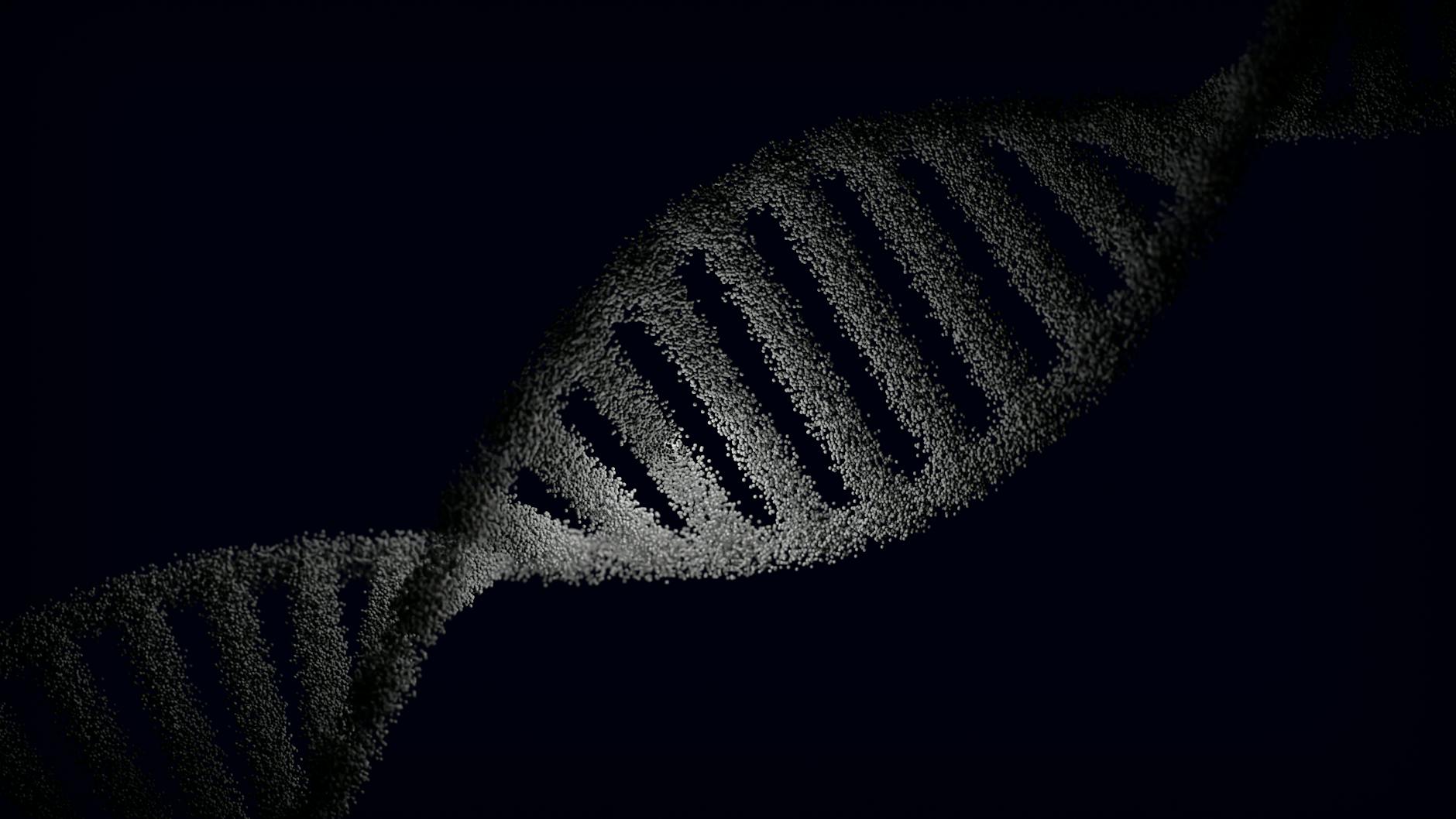
For decades, genetics was understood as an immutable destiny: you inherit a set of genes from your parents, and those genes determine your traits for the rest of your life. However, a scientific revolution over the past two decades has completely transformed this view. Epigenetics — from the Greek epi, meaning "above" or "beyond" — revealed that there is an entire layer of regulation above the DNA that can activate or silence genes without altering a single letter of the genetic code.
This means that factors such as your diet, stress levels, sleep quality, exposure to environmental toxins, and even the emotional experiences you go through can modify how your genes are expressed. In other words, your environment is in constant dialogue with your DNA — and that dialogue can have profound consequences for your health, both in the present and across future generations.
Understanding epigenetics isn't merely an academic exercise. It's a paradigm shift that places you, in part, in control of your own gene expression. And that is precisely what we'll explore in this article.
What Is Epigenetics? The Science Behind Genetic Switches
To understand epigenetics, imagine your DNA as a vast library containing thousands of books (genes). Every cell in your body holds the complete library, but not all books are open at the same time. Epigenetics is the system of markers that determines which books are available for reading and which are locked on the shelf.
These epigenetic modifications don't alter the DNA sequence — the "words" in the books remain the same. What changes is accessibility: whether a gene is active (expressed) or silenced. The main epigenetic mechanisms are:
DNA Methylation
DNA methylation is the most extensively studied epigenetic mechanism. It involves the addition of a methyl group (CH₃) to cytosine bases in the DNA, usually in regions called CpG islands. When these promoter regions of a gene are methylated, the gene tends to be silenced — as if someone placed a padlock on the book.
Methylation is catalyzed by enzymes called DNA methyltransferases (DNMTs) and plays fundamental roles in embryonic development, X chromosome inactivation, and the suppression of transposable elements. Aberrant methylation patterns are associated with numerous diseases, including cancer, cardiovascular disease, and neurological disorders.
Histone Modification
DNA doesn't float freely in the cell nucleus — it is wound around proteins called histones, forming a structure known as chromatin. Chemical modifications to histones — such as acetylation, methylation, phosphorylation, and ubiquitination — alter how "tight" or "loose" the DNA is packaged.
When histones are acetylated, chromatin opens up (euchromatin), allowing gene transcription. When they are deacetylated, chromatin compacts (heterochromatin), silencing genes. Scientists refer to this system as the "histone code" — a second layer of information that modulates gene expression.
Non-Coding RNA
Beyond methylation and histones, molecules of non-coding RNA (ncRNA) — such as microRNAs (miRNAs) and long non-coding RNAs (lncRNAs) — play crucial regulatory roles. These molecules can degrade messenger RNA, prevent its translation into proteins, or recruit chromatin remodeling complexes to specific regions of the genome.
MicroRNAs, for example, regulate approximately 60% of all human genes and are implicated in processes such as cell proliferation, apoptosis, and immune response.

Striking Examples: When Environment Rewrites the Epigenome
The Dutch Hunger Winter (1944–1945)
One of the most emblematic studies in epigenetics involves the Dutch Hunger Winter. During the winter of 1944–1945, the Nazi occupation imposed a severe food blockade on the Netherlands, reducing the population's caloric intake to approximately 400–800 calories per day. Decades later, researchers discovered that the children of pregnant women who experienced famine during this period had significantly higher rates of obesity, cardiovascular disease, and type 2 diabetes.
Most striking of all: molecular analyses revealed that these individuals had altered methylation patterns in the IGF2 gene (Insulin-like Growth Factor 2), even 60 years after the event. Their mother's famine had epigenetically "reprogrammed" them before they were even born.
The Agouti Mice
Another paradigmatic experiment involved mice carrying the Agouti gene. When this gene is active (unmethylated), mice are born yellow, obese, and prone to diabetes and cancer. When silenced (methylated), they are born lean, with brown coats and healthy — despite having exactly the same DNA sequence.
Researchers demonstrated that by supplementing the mothers' diet with methyl group donors — such as folic acid, vitamin B12, choline, and betaine — it was possible to change the color and health of the offspring by silencing the Agouti gene through methylation. This study was a landmark in demonstrating that maternal nutrition can reprogram the offspring's epigenome.
Studies with Identical Twins
Monozygotic (identical) twins share 100% of their DNA, yet they frequently develop significant differences over the course of their lives in terms of disease, behavior, and appearance. A study published in the Proceedings of the National Academy of Sciences demonstrated that while young twins have nearly indistinguishable epigenetic profiles, older twins show substantial epigenetic differences — especially when they have lived in different environments or adopted distinct lifestyles.
"Identical twins who had lived apart and adopted different lifestyles showed up to four times more differences in their DNA methylation patterns compared to twins who stayed together — demonstrating that the environment is a powerful sculptor of the epigenome."
— Fraga et al., Proceedings of the National Academy of Sciences, 2005
Factors That Shape Your Epigenome
Epigenetic research has identified numerous environmental and behavioral factors capable of modifying epigenetic marks. Understanding these factors is the first step toward making more informed decisions about your health.
Diet and Nutrients
Diet is one of the most potent epigenetic modulators. Specific nutrients act as methyl group donors or as essential enzymatic cofactors for maintaining epigenetic marks:
- Folic acid (vitamin B9): fundamental for DNA methylation, especially during pregnancy
- Vitamin B12: cofactor in the methionine pathway, essential for the production of S-adenosylmethionine (SAM)
- Polyphenols (resveratrol, EGCG from green tea): can modulate the activity of epigenetic enzymes such as sirtuins and DNMTs
- Sulforaphane (broccoli, kale): a histone deacetylase (HDAC) inhibitor, promoting the expression of tumor suppressor genes
- Curcumin: modulates DNA methylation and histone acetylation with anti-inflammatory properties
Chronic Stress
Chronic stress elevates cortisol levels, which can alter the methylation of genes involved in the stress response, such as the NR3C1 gene (glucocorticoid receptor). Studies show that adverse childhood experiences can cause hypermethylation of NR3C1, resulting in a dysregulated stress response that persists into adulthood and may contribute to anxiety, depression, and autoimmune diseases.
Physical Exercise
Regular physical activity induces beneficial epigenetic changes across multiple tissues. A study from Lund University demonstrated that just six months of moderate exercise altered the methylation of more than 7,000 genes in adipose tissue — many of them associated with fat metabolism and type 2 diabetes risk.
Sleep and Circadian Rhythm
Sleep deprivation and circadian rhythm disruption alter the methylation of genes involved in inflammatory regulation and energy metabolism. Night-shift workers, for example, show distinct methylation profiles in genes related to immunity and DNA repair.
Environmental Toxins
Substances such as bisphenol A (BPA), pesticides, heavy metals, and components of cigarette smoke are potent epigenetic disruptors. Tobacco exposure during pregnancy, for example, alters the methylation of more than 6,000 CpG regions in the newborn's DNA, with effects that can persist into adolescence.

Transgenerational Epigenetics: Inheritance Beyond DNA
One of the most surprising discoveries of modern epigenetics is that certain epigenetic modifications can be transmitted across generations. This means that your parents' experiences — and possibly even your grandparents' — may have left epigenetic marks that influence your health today.
The Överkalix study in Sweden analyzed historical records of food availability and found that grandsons of grandfathers who had experienced periods of food abundance during pre-puberty had an increased risk of diabetes and cardiovascular mortality. This transmission occurred through the paternal lineage, suggesting that epigenetic marks in sperm can carry environmental information between generations.
In animal models, the evidence is even more robust. Mice exposed to aversive odors developed epigenetic alterations in olfactory receptors that were detected in their children and grandchildren, even without any direct exposure to the stimulus. These findings challenge the dogma that only the DNA sequence is inherited and raise profound questions about intergenerational responsibility for health.
Key point: Epigenetics demonstrates that your habits today — diet, exercise, stress management, and exposure to toxins — may not only affect your own health, but potentially influence the gene expression of your children and grandchildren. Each lifestyle choice is, in a real sense, a message to the next generation.
What helixXY Can Reveal
Although helixXY's genetic tests analyze your DNA sequence — and not epigenetic marks directly — understanding your genetic variants is the first step toward grasping how epigenetics can affect you in a personalized way.
For example, variants in the MTHFR gene affect your body's ability to process folic acid, a nutrient central to DNA methylation. People with certain MTHFR variants may need specific forms of folate (such as methylfolate) to keep the epigenetic machinery functioning properly.
Similarly, variants in genes related to detoxification (such as GSTP1 and NAT2), B-vitamin metabolism, and inflammatory response can indicate greater or lesser sensitivity to environmental epigenetic factors.
With helixXY reports, you can:
- Identify variants that affect the methylation pathway and the ability to process key nutrients
- Understand your genetic predisposition to conditions influenced by epigenetics, such as obesity, type 2 diabetes, and cardiovascular disease
- Make more informed decisions about nutrition, supplementation, and lifestyle to optimize your gene expression
- Understand how environmental factors may interact with your unique genetic profile
Personalized genomics, combined with the knowledge of epigenetics, represents the frontier of preventive and precision medicine — where the focus is not merely on treating disease, but on creating the ideal conditions for your genes to express themselves in the best possible way.
Disclaimer
This article is strictly informational and educational in nature. The information presented here does not replace medical advice, diagnosis, or professional treatment. helixXY tests analyze genetic variants and do not directly assess epigenetic marks. Always consult a qualified healthcare professional before making decisions based on genetic or epigenetic information.
References
- Fraga MF, et al. "Epigenetic differences arise during the lifetime of monozygotic twins." Proceedings of the National Academy of Sciences. 2005;102(30):10604-10609.
- Heijmans BT, et al. "Persistent epigenetic differences associated with prenatal exposure to famine in humans." Proceedings of the National Academy of Sciences. 2008;105(44):17046-17049.
- Waterland RA, Jirtle RL. "Transposable elements: targets for early nutritional effects on epigenetic gene regulation." Molecular and Cellular Biology. 2003;23(15):5293-5300.
- Rönn T, et al. "A six months exercise intervention influences the genome-wide DNA methylation pattern in human adipose tissue." PLoS Genetics. 2013;9(6):e1003572.
- Pembrey ME, et al. "Sex-specific, male-line transgenerational responses in humans." European Journal of Human Genetics. 2006;14(2):159-166.