How Your Genes Influence Handedness
Have you ever wondered why you reach for a pen with one hand and not the other? Handedness — the consistent preference for using either the right or left hand for skilled tasks — is one of the most intriguing and visible human traits. Roughly 90% of the global population is right-handed, a ratio that has remained remarkably stable across cultures and throughout recorded history. This remarkable consistency hints that biology, not chance or culture alone, is largely responsible. And at the heart of that biology are your genes.
The science of handedness sits at the intersection of genetics, developmental neuroscience, and evolutionary biology. Understanding it means exploring how tiny variations in DNA can shape the way your brain organizes itself long before you are born — and how those organizational choices ripple outward into everything from the sports you excel at to the way you process language.
The Genetic Basis of Handedness
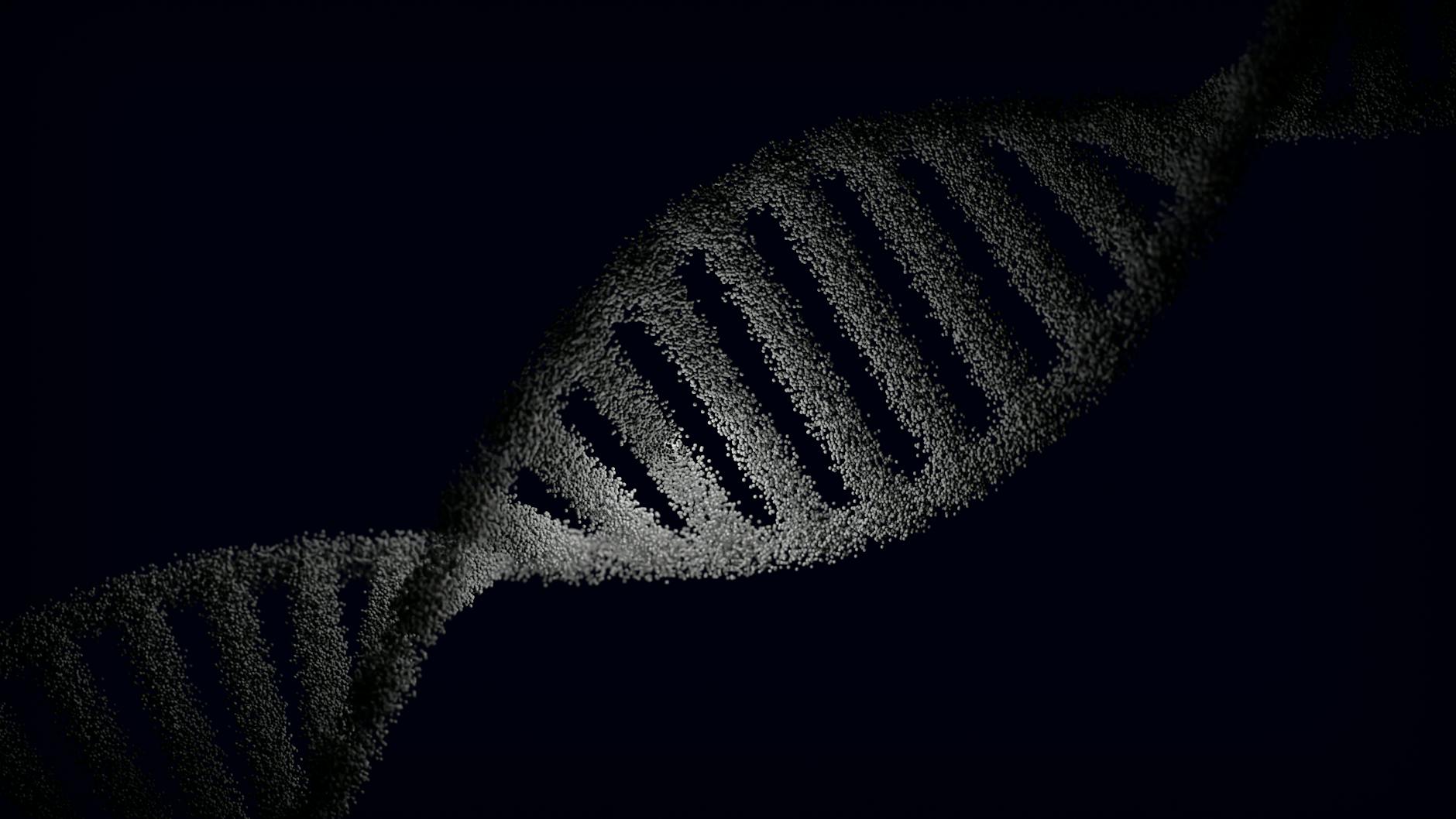
Twin and family studies have consistently shown that handedness carries a significant heritable component. When both parents are left-handed, the probability of their child also being left-handed rises considerably above the population average — from roughly 10% to approximately 26%. Identical (monozygotic) twins, who share 100% of their DNA, nonetheless show a concordance for handedness of only about 76%, meaning that genetic factors account for an estimated 25% of the variation in handedness across the population.
This incomplete concordance among identical twins is an important clue: genes set the stage, but they do not write the entire script. Handedness is a polygenic trait, meaning dozens or even hundreds of genetic variants each contribute a small effect. No single "handedness gene" flips a switch from right to left.
Specific Genes and Their Functions
While no single gene determines handedness, researchers have identified several genetic loci that play meaningful roles in establishing the left-right asymmetry of the developing brain and body.
PCSK6 — Establishing Body Asymmetry
One of the most studied genes in handedness research is PCSK6 (proprotein convertase subtilisin/kexin type 6). This gene is involved in the establishment of left-right asymmetry during embryonic development — a fundamental process that determines not only which side of the body the heart sits on, but also how the two cerebral hemispheres specialize. Specific variants in PCSK6 have been associated with the degree of right-hand preference, with some variants linked to weaker lateralization. PCSK6 acts through the Nodal signaling pathway, which is one of the earliest molecular pathways to break the body's initial bilateral symmetry during the first weeks of embryogenesis.
LRRTM1 — Cerebral Lateralization and Synapse Development
LRRTM1 (leucine-rich repeat transmembrane neuronal 1) was among the first genes specifically linked to cerebral asymmetry and handedness. It is expressed in regions of the brain associated with motor control and language, and it plays a role in synapse formation and maintenance. Notably, the influence of LRRTM1 on handedness appears to be transmitted primarily through the paternal lineage, suggesting a possible imprinting mechanism — an unusual genetic phenomenon where the expression of a gene depends on which parent it was inherited from.
Tubulin Genes (TUBB, TUBB4B) — The Cellular Scaffolding of Brain Development
Genes encoding tubulin proteins, including TUBB and TUBB4B, code for the building blocks of microtubules — the dynamic cellular scaffolding that organizes cell division, directs neuronal migration, and structures the beating of cilia in early embryonic development. Cilia in the embryonic node are responsible for generating the fluid flow that first breaks left-right symmetry in the developing embryo. Variants in tubulin genes can subtly alter this process, influencing the resulting brain organization.
GWAS Findings — A Broader Genetic Landscape
Large-scale genome-wide association studies (GWAS) conducted on hundreds of thousands of individuals — including a landmark 2021 study published in Nature Human Behaviour analyzing data from over 1.7 million people — have identified more than 40 independent genetic loci associated with handedness. Many of these loci are enriched near genes involved in brain development, neuronal migration, and the cytoskeleton. Importantly, some of the same genetic variants associated with left-handedness also show associations with neurological and psychiatric conditions, reinforcing the deep connection between handedness and brain organization.
The Brain Connection: Cerebral Lateralization
Handedness is inseparable from the broader phenomenon of cerebral lateralization — the tendency of the brain to assign different functions to different hemispheres. In the vast majority of right-handed people, the left hemisphere dominates for language production and fine motor control. In left-handers, this pattern is more variable: approximately 70% still have left-hemisphere language dominance, while the remaining 30% are either right-hemisphere dominant or have more bilateral language representation.
This difference in brain organization is not merely academic. Research using functional MRI and diffusion tensor imaging has shown that left-handers tend to have stronger connections between the two hemispheres, facilitated by a larger corpus callosum in some studies. This enhanced interhemispheric connectivity may underlie observed differences in certain cognitive tasks, including some spatial reasoning and divergent thinking measures.
Brain asymmetry begins to emerge during fetal development, around the 10th to 15th week of gestation, and appears to be substantially shaped by the same genetic programs that determine left-right body axis formation. Hand preference itself typically stabilizes during the first 2 to 3 years of life, though subtle preferences can sometimes be detected in ultrasound observations of fetal thumb-sucking as early as the 10th week.
Beyond Genetics: Environmental and Developmental Factors
Given that genes explain only about a quarter of handedness variation, what accounts for the rest? Several non-genetic factors have been identified:
- Prenatal hormonal environment: Testosterone levels during fetal development have been proposed as a modifier of lateralization. The "Geschwind-Behan-Galaburda theory" hypothesized that elevated prenatal testosterone could slow development of the left hemisphere, shifting some individuals toward left-handedness. While this theory remains debated, studies examining digit ratios (2D:4D) — a proxy for prenatal androgen exposure — have found correlations with hand preference in some populations.
- Birth stress and perinatal factors: Some research has found higher rates of left-handedness among individuals born with low birth weight, preterm, or following complicated deliveries. This may reflect subtle neurological reorganization in response to early developmental stress.
- Cultural pressure: Historically, in many societies, children born with a natural left-hand preference were pressured or forced to use their right hand. This cultural suppression of left-handedness has complicated studies of its true prevalence across generations and geographies. The rate of reported left-handedness increased substantially during the 20th century as such pressures diminished.
- Developmental experiences: Early motor learning experiences, object interactions, and even imitation of caregivers may reinforce an initial slight preference into a stable dominant hand.
Handedness and Health
Beyond curiosity, handedness has genuine health relevance. Research has found several associations — though it is important to distinguish correlation from causation:
- Language and learning differences: Left-handers show modestly higher rates of dyslexia and stuttering, possibly reflecting the atypical cerebral lateralization patterns that accompany non-right-handedness. However, the absolute increase in risk is small, and many left-handers have entirely typical language development.
- Neurodevelopmental conditions: Several studies have found elevated rates of non-right-handedness among individuals with autism spectrum disorder and schizophrenia — conditions also characterized by atypical patterns of cerebral lateralization. The shared genetic architecture of handedness and these conditions is an active area of research.
- Cognitive strengths: Left-handers are overrepresented among architects, musicians, and visual artists in some studies, consistent with enhanced visuo-spatial abilities and more bilateral brain organization. Presidents, tennis players, and chess grandmasters also show left-handed representation above the population baseline.
- Immune differences: Older studies suggested higher rates of autoimmune and allergic conditions in left-handers, though more recent large-scale analyses have questioned the robustness of this association.
What helixXY Can Reveal
Modern genomic analysis can identify many of the genetic variants associated with handedness and cerebral lateralization. A helixXY genetic report can help you understand:
- Which variants you carry in key genes such as PCSK6 and LRRTM1 that influence brain asymmetry
- Your genetic profile across multiple loci associated with handedness from large-scale GWAS studies
- How your laterality-related genetic variants may connect to broader patterns of brain organization
- The relative contribution of genetics versus environment in shaping this aspect of who you are
While genetic testing cannot predict with certainty whether you are left- or right-handed — the environmental component is too large — it provides a fascinating window into the biological architecture underlying one of humanity's most distinctive and consistent traits.
Disclaimer
The information in this article is intended for educational purposes only and does not constitute medical advice. Genetic predispositions are not deterministic — they represent probabilities, not certainties. Always consult a qualified healthcare professional or genetic counselor for personalized guidance.
References
- Wiberg A et al. "Handedness, language areas and neuropsychiatric diseases." Brain, 2019.
- de Kovel CGF et al. "Left-handedness and its genetic influences." Nature Human Behaviour, 2021.
- Brandler WM et al. "Common Variants in Left/Right Asymmetry Genes and Pathways Are Associated with Relative Hand Skill." PLOS Genetics, 2013.
- Francks C. "Genes and neuroscience of laterality." Symmetry, 2022.
- McManus IC. Right Hand, Left Hand. Harvard University Press, 2002.